Curiosity, applied.
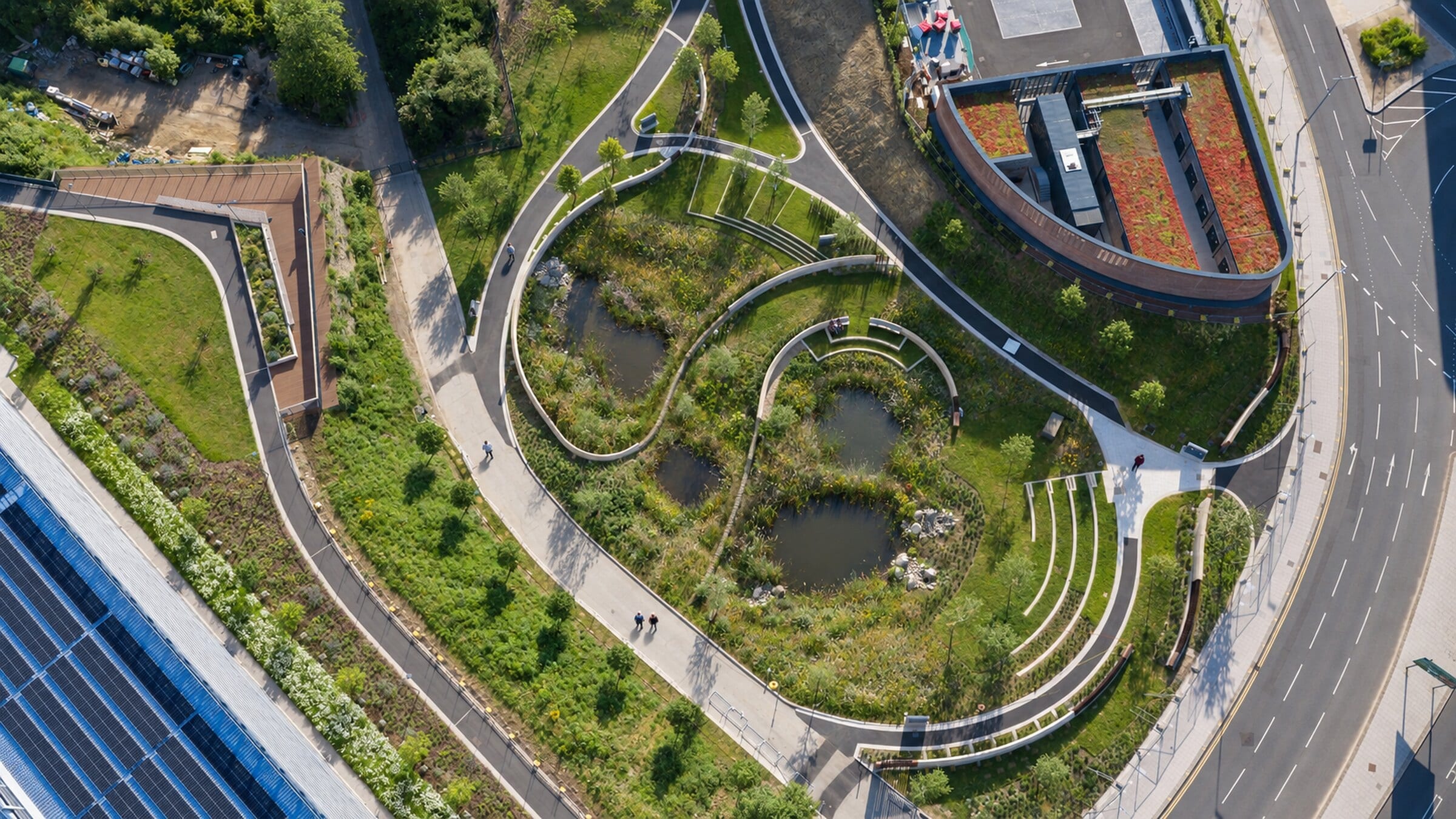
We combine research, digital technology and environmental understanding to develop better landscapes. By investigating site conditions, testing ideas and learning from delivery, we make informed decisions that connect design ambition with practical performance.
Our focus is on places that work well for people, respond intelligently to natural systems and continue to improve as they establish.
Research through practice
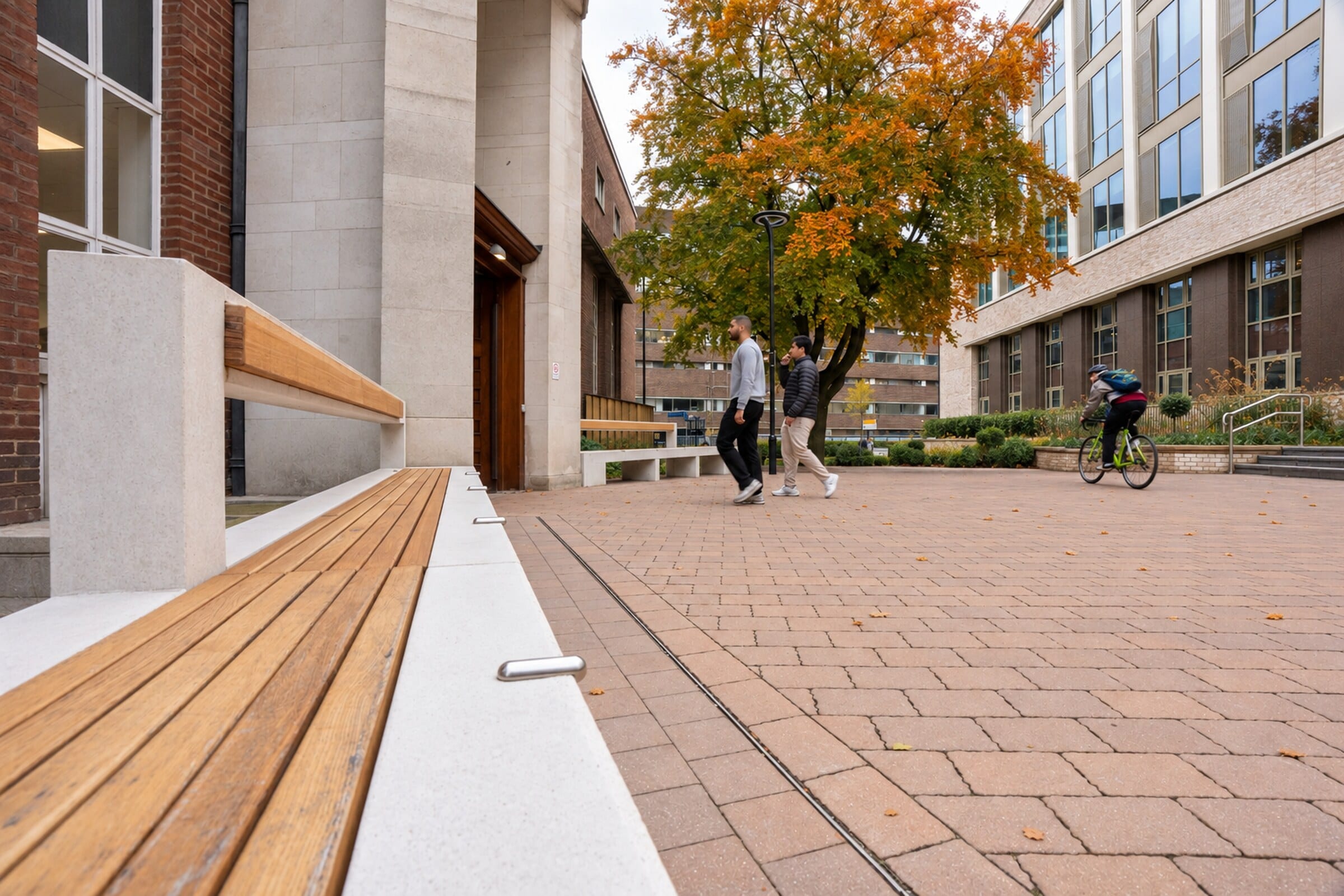
Every project presents questions worth exploring. How can planting thrive in difficult conditions? How can a constrained site accommodate more nature? What can we retain, adapt or reuse?
We investigate soils, water, vegetation, materials and patterns of use to understand what a place needs. Desktop research, site observation and technical assessment inform our designs, alongside the knowledge of clients, communities and specialist collaborators.
We carry that learning between projects, refining our planting palettes, construction details and design approaches as our experience grows.


Technology with purpose
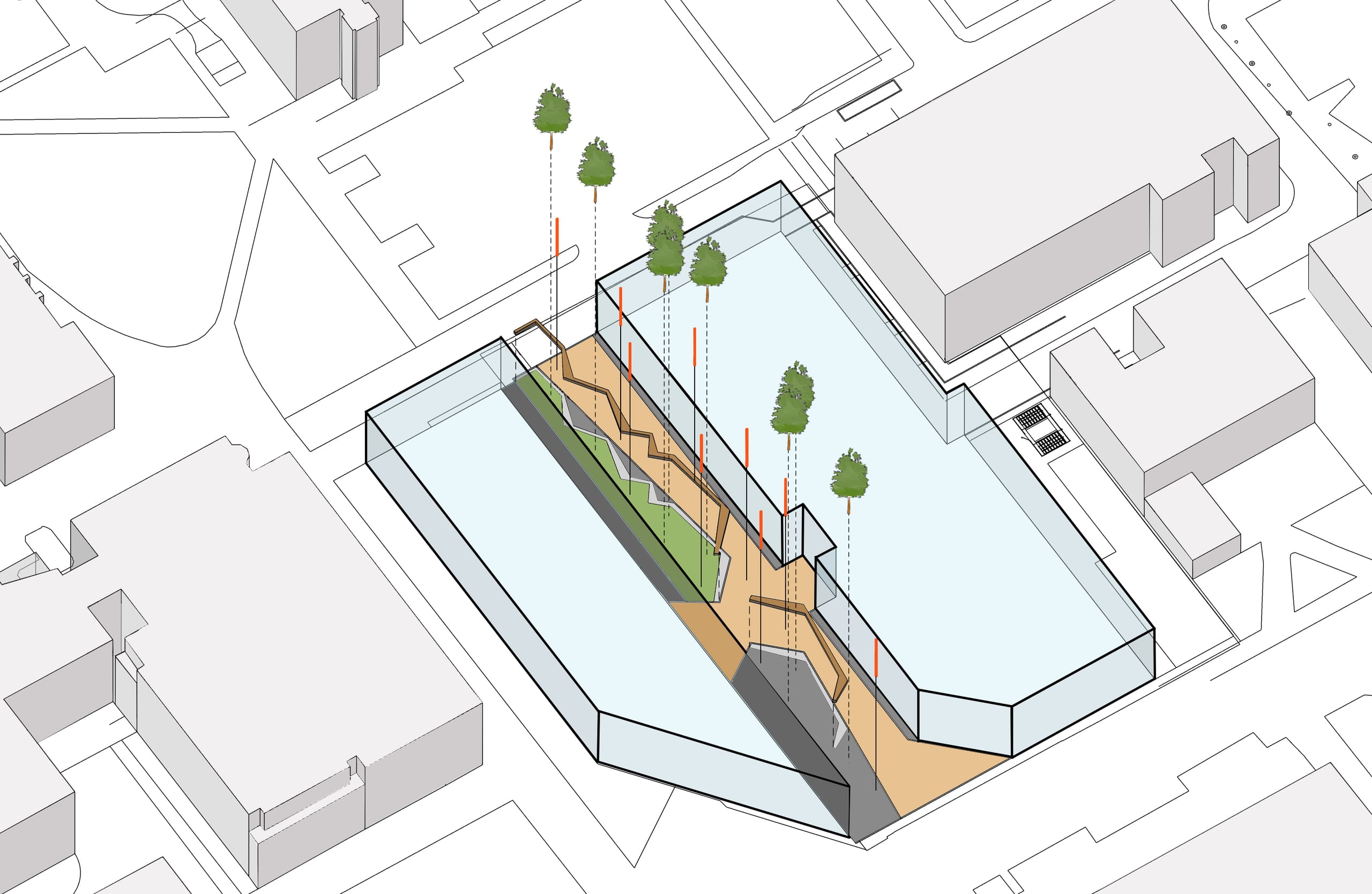
Digital tools help us understand complex sites and communicate ideas clearly. We use terrain modelling, BIM and visualisation to explore levels, test spatial relationships and coordinate landscape proposals with buildings and infrastructure.
Bringing information together helps us compare options, identify constraints earlier and explain the implications of design decisions before they reach site. We continue to develop our digital methods to improve consistency, reduce repetitive tasks and create more time for design thinking.
We are also exploring how AI can support research, early option testing and selected studio workflows. We assess its outputs critically, with professional judgement, accuracy and client confidentiality guiding how it is used.
Environmental thinking, from the ground up
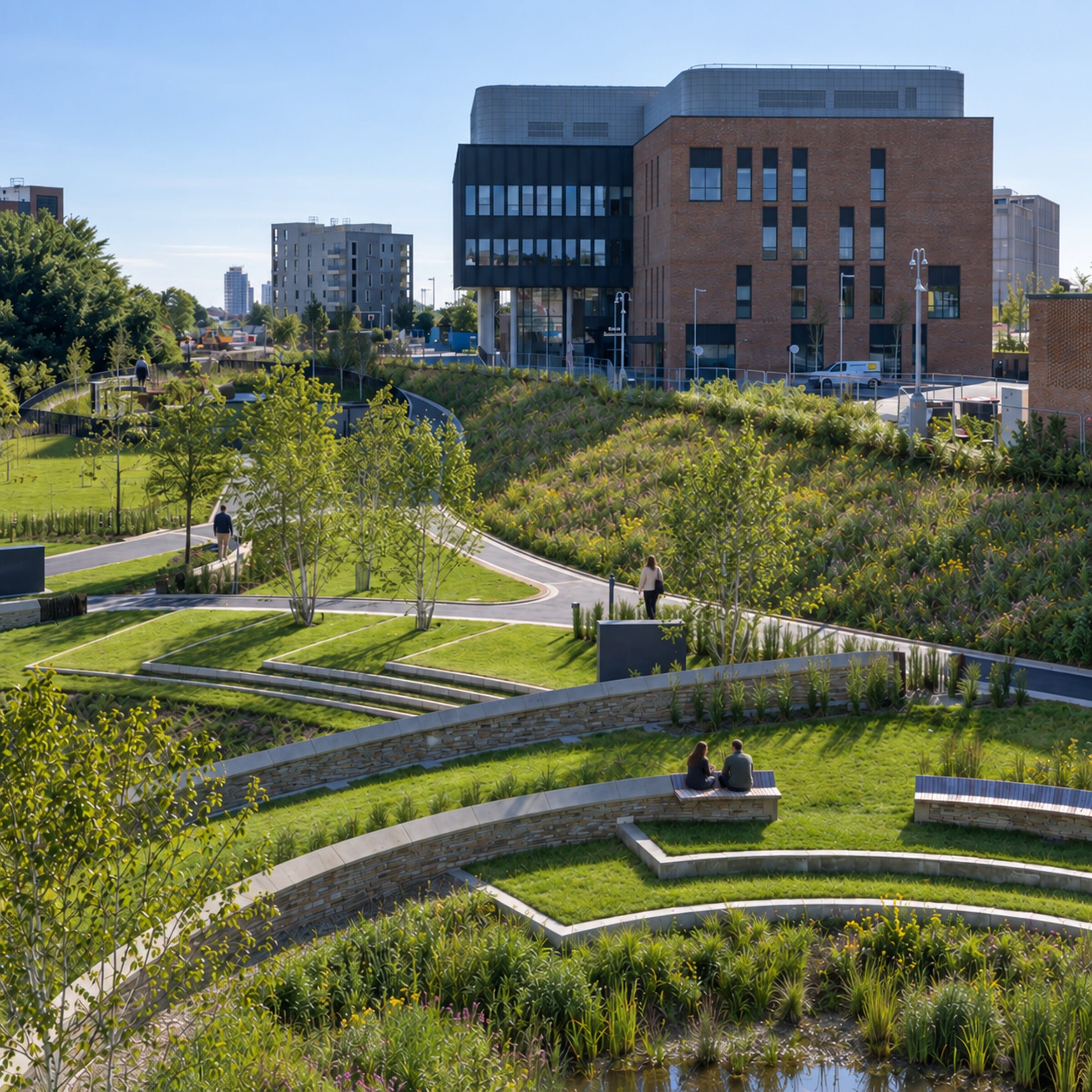
Landscape performance begins with understanding the site. Soil conditions, drainage, exposure, existing habitats and patterns of shade influence what can grow, how spaces will feel and how they will respond to a changing climate.
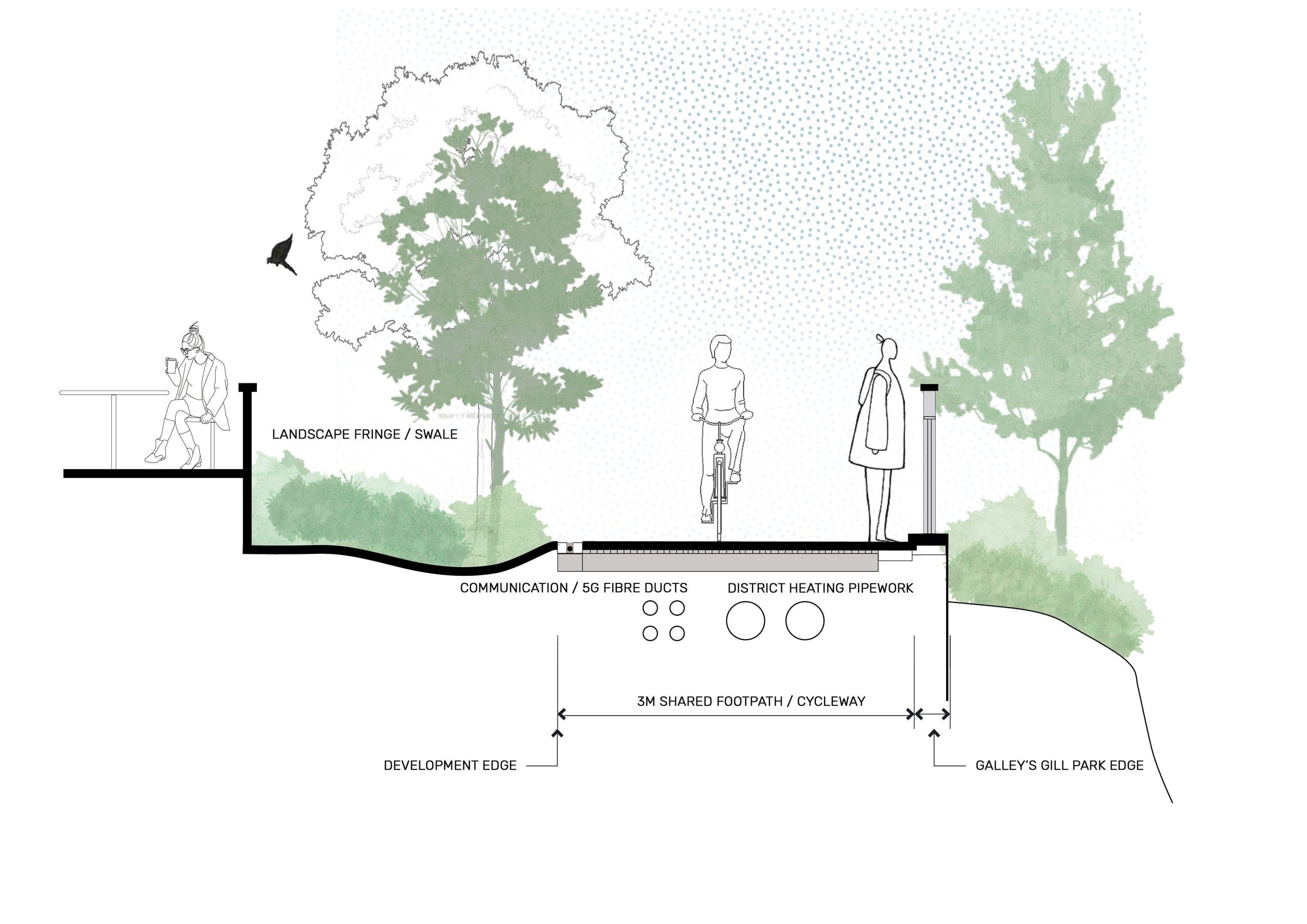
We consider water, biodiversity, tree canopy and material choices together from the outset. This helps us develop landscapes where planting, drainage, habitat and everyday use support one another.
Our approach includes retaining valuable site features, creating suitable rooting conditions, selecting resilient planting and integrating sustainable drainage. We work with specialist colleagues to assess environmental requirements and translate them into coherent, deliverable designs.

Designing for lasting value
Sustainability also depends on how a landscape is built, maintained and used. We consider opportunities to retain and reuse materials, make efficient use of resources and develop details that withstand everyday demands.
Planting decisions account for establishment, seasonal change and future care. Maintenance requirements inform the design, helping clients understand what will be needed to support the landscape over time.
Considering these factors early helps us create places that are practical to manage and capable of adapting as needs and conditions change.

Learning & exchange
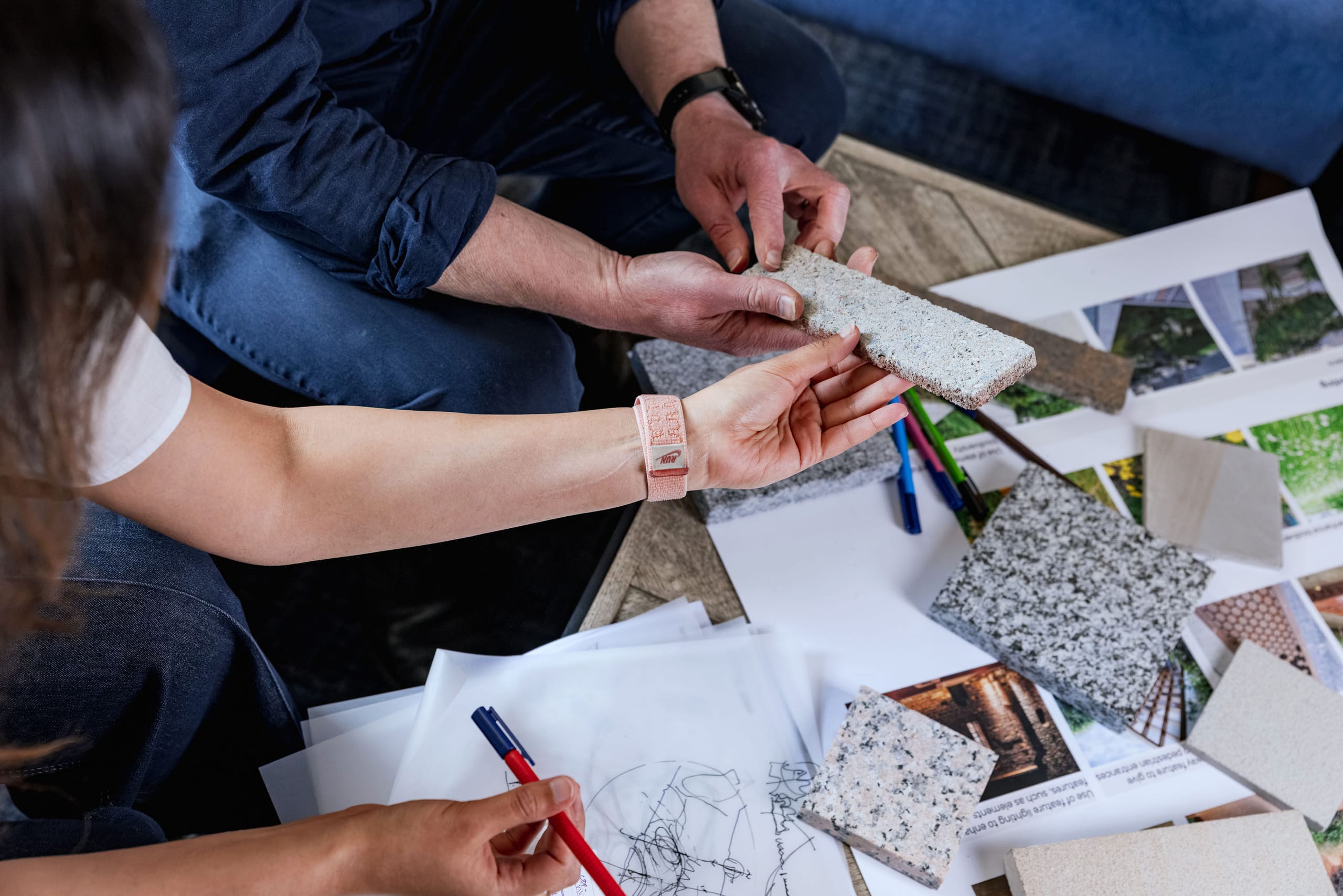
We invest in learning through an active programme of internal and external continuing professional development, regular attendance at conferences and study trips.
Our CPD programme brings together shared project experience, specialist knowledge and developments in design, technology and environmental practice. Conferences provide opportunities to exchange ideas across the industry and challenge our own approaches.
Study trips allow us to experience landscapes first-hand: observing how places are used, how planting and materials perform, and how designs respond to their setting. We bring these observations back to the studio to discuss and inform our work.
Learning from landscapes
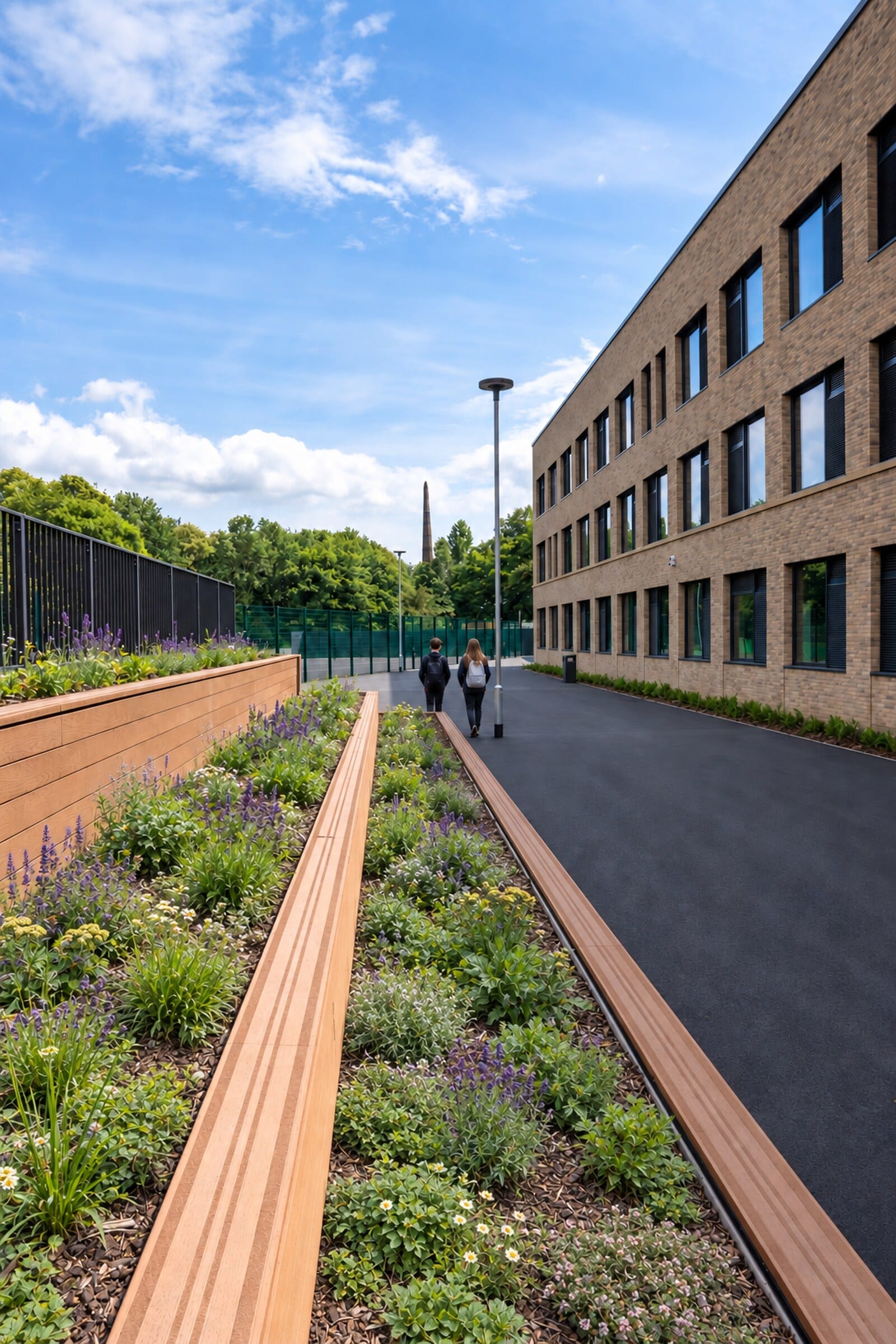
Completed projects provide valuable insight. Observing how planting establishes, how materials weather and how people occupy spaces helps us understand where a design succeeds and where it can be improved.
Feedback from clients, contractors and those responsible for maintenance adds to that understanding. We use these lessons to refine specifications, develop details and inform future projects.
This ongoing exchange between research, design and delivery strengthens our practice and the advice we give our clients.

Better questions. More informed design.
We bring creative thinking, technical understanding and environmental judgement to every commission, helping clients make decisions that support the quality and long-term value of their landscapes.