- Location
- Cleator Moor, Cumberland
- Sectors
- Regeneration & Public Realm
Leconfield Industrial Estate is a 17.6-hectare former industrial estate at the edge of Cleator Moor, within sight of the Lake District fells. The wider regeneration programme is intended to support economic transition, future employment and a clean energy and engineering cluster. The challenge was to renew a declining employment site while protecting and enhancing the valuable brownfield ecology that had emerged through years of disturbance and low-intensity use, including Open Mosaic Habitat on Previously Developed Land.
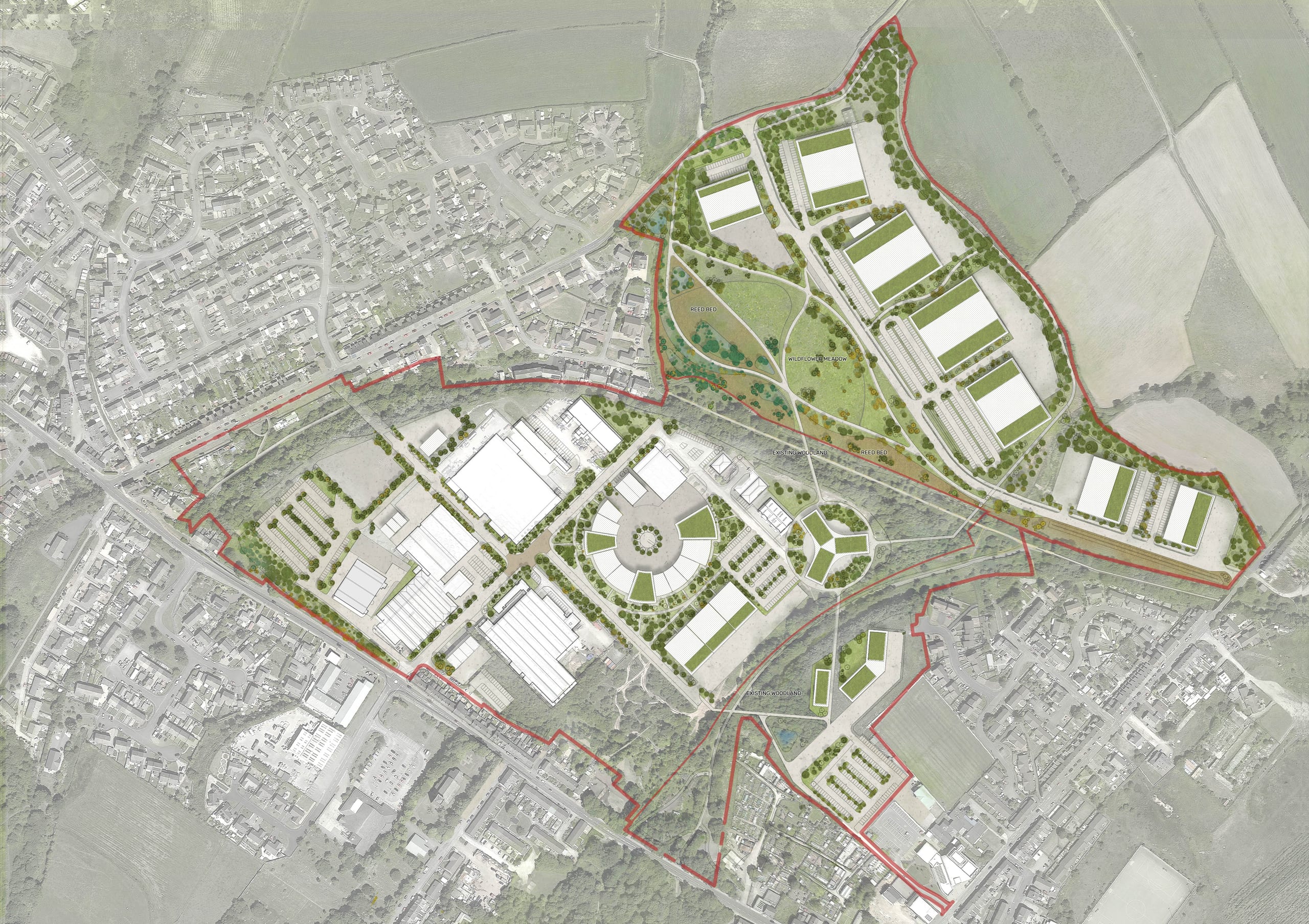
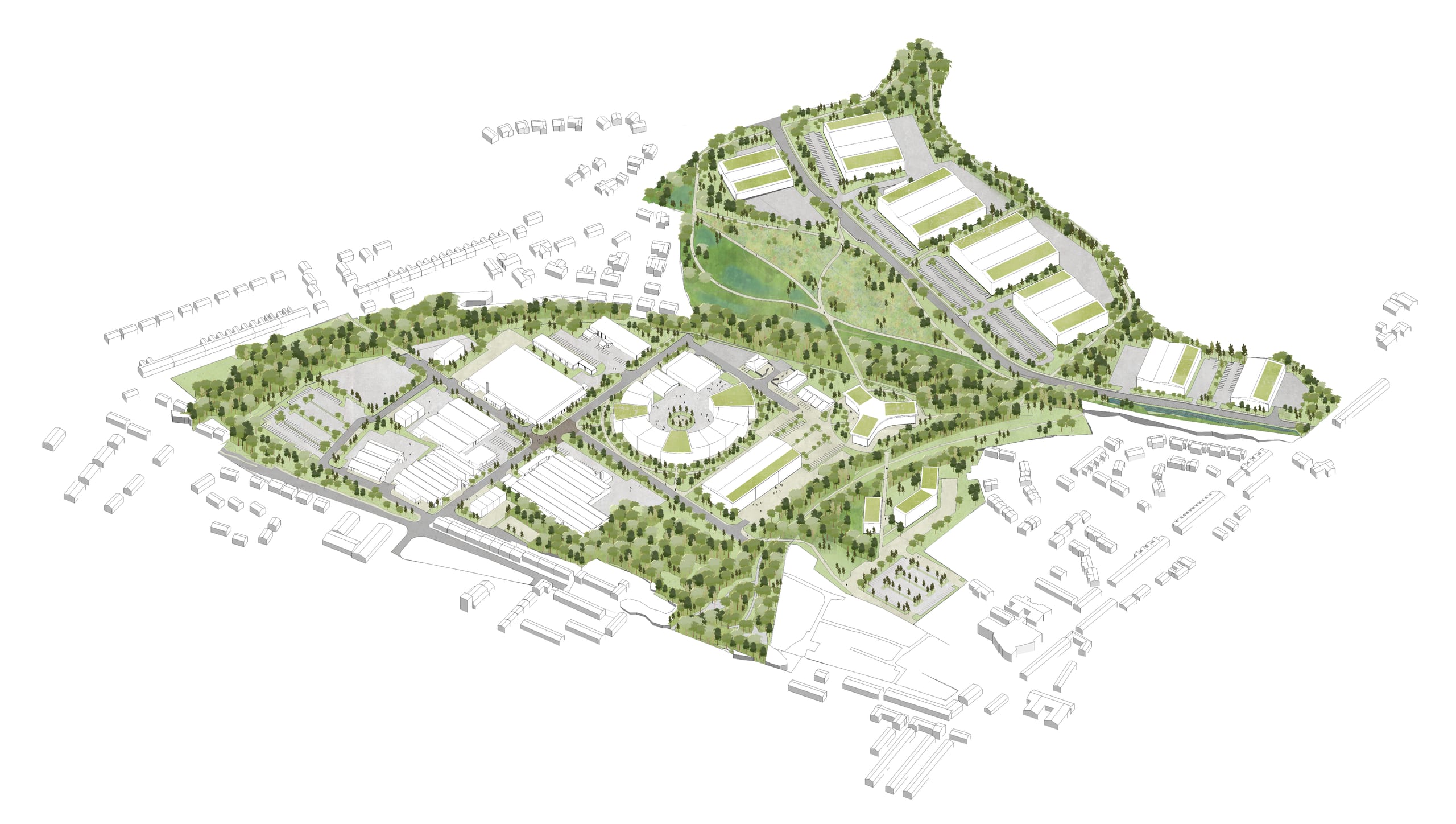
Brownfield ecology does not have to sit in conflict with regeneration. The strongest move was to treat existing ecological conditions, waste materials and industrial character as design resources. That turned potential constraints into a distinctive public realm and biodiversity strategy, demonstrating how nature-based design can support economic renewal rather than simply mitigate it.
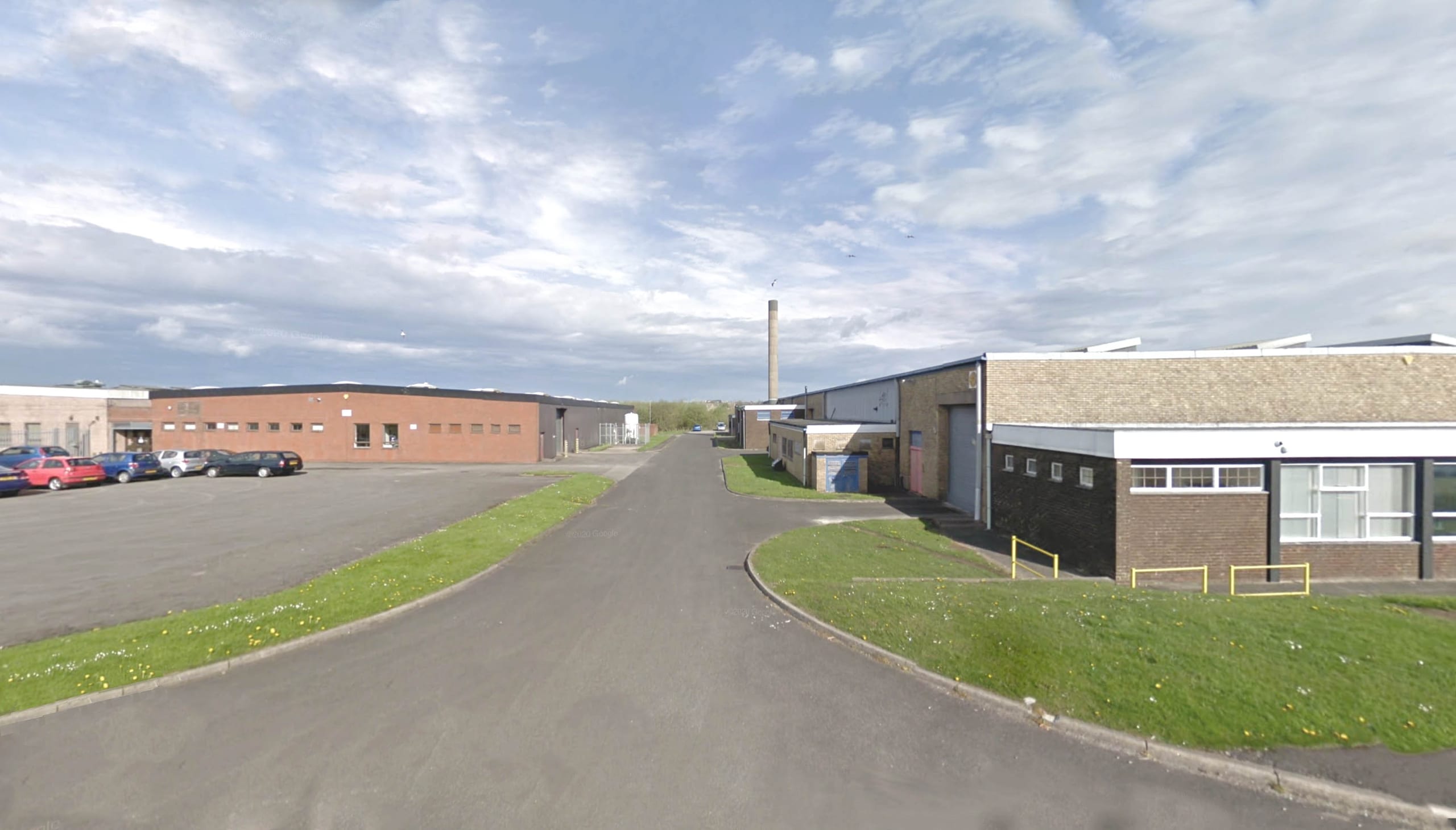 Existing site
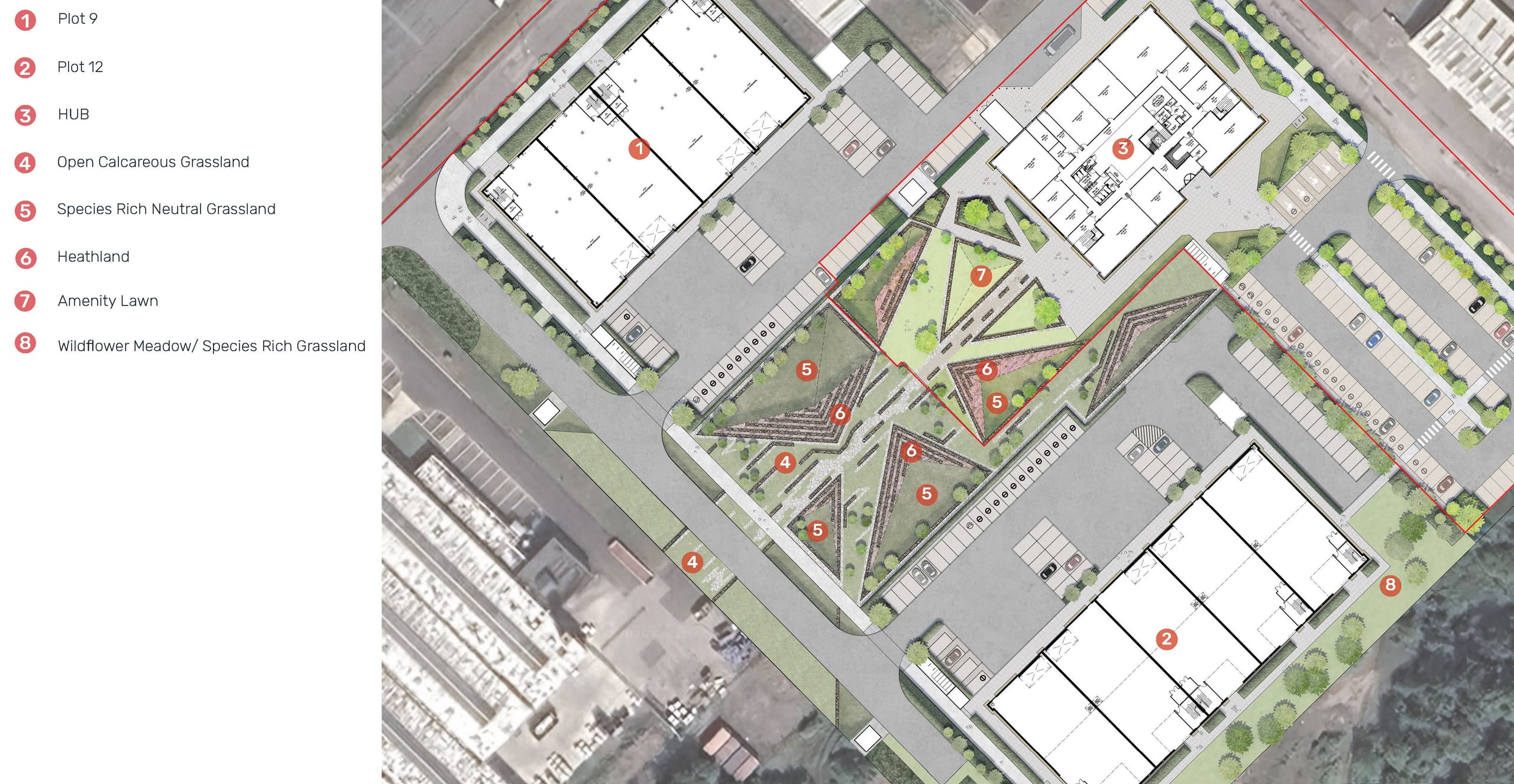
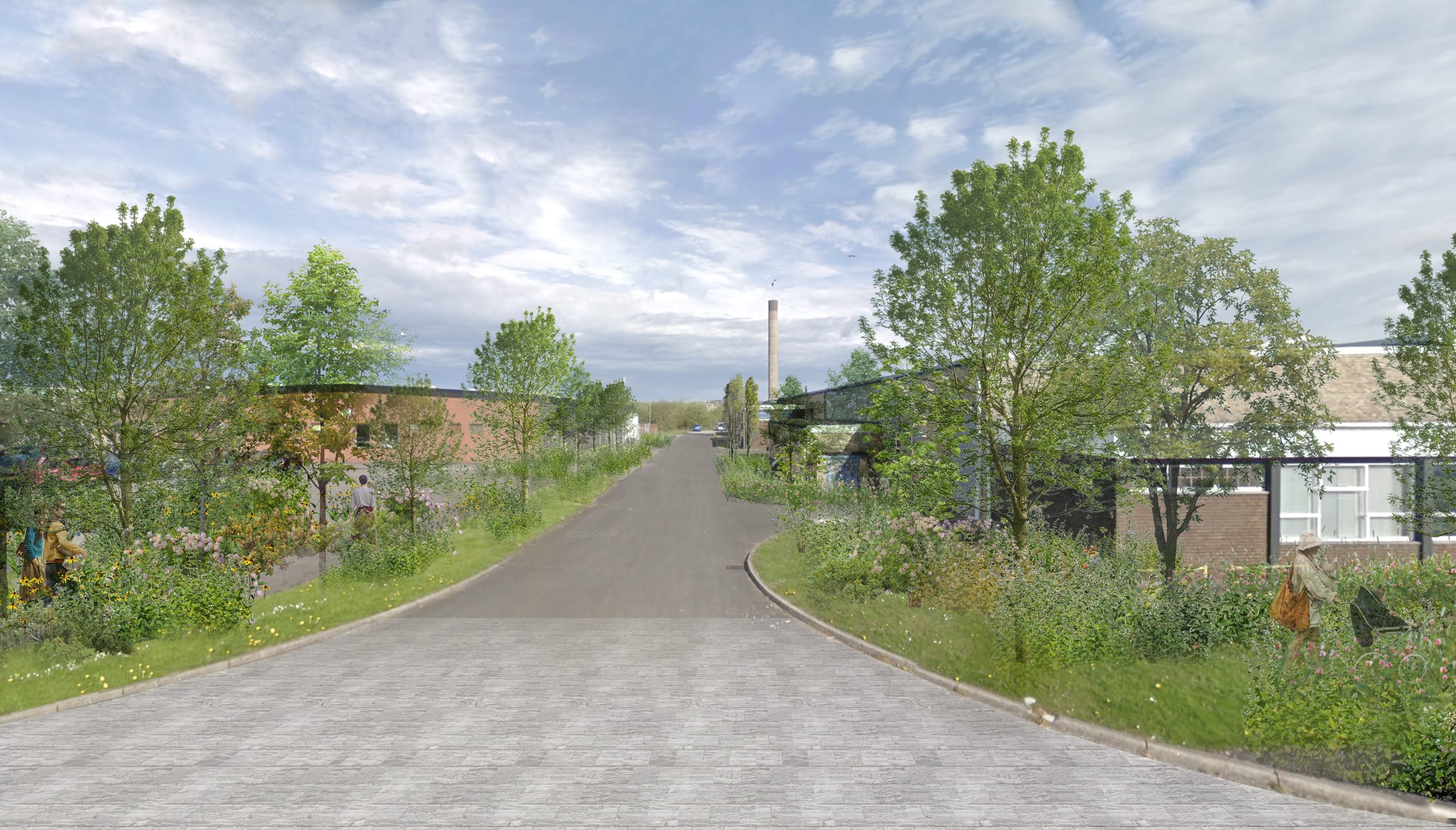 Proposed landscape
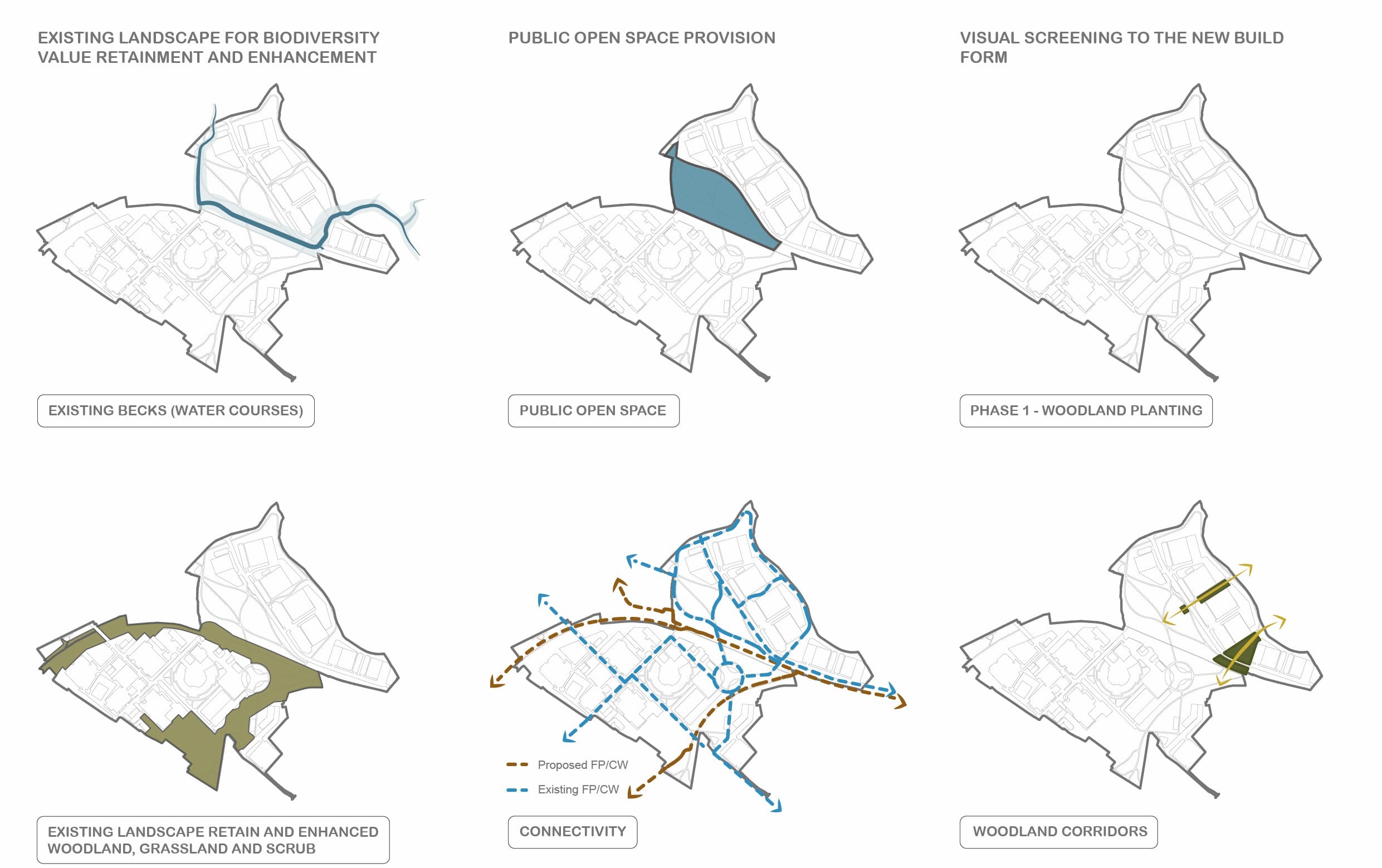
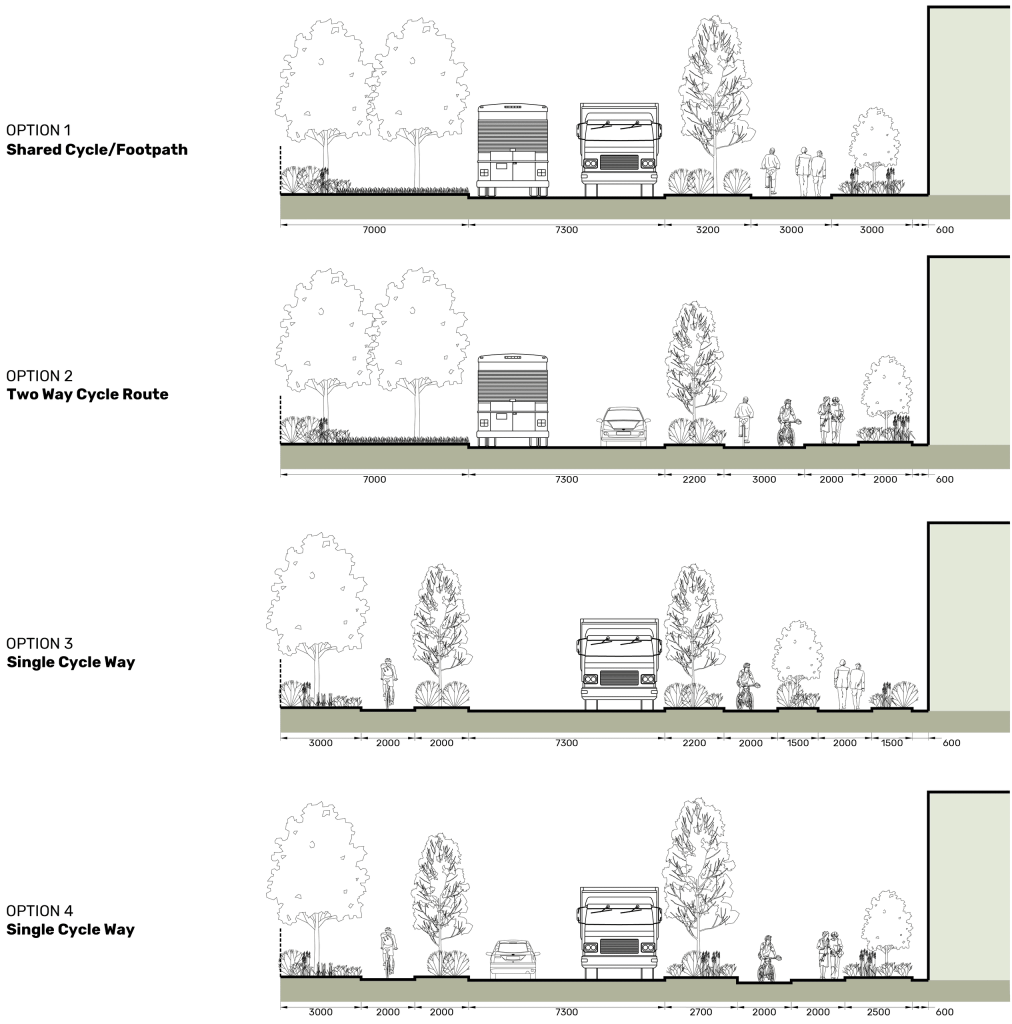
ONE treated landscape as the organising framework for development. Existing woodland, watercourses, topography and habitat informed the masterplan, while new routes strengthen connections to surrounding neighbourhoods and the nearby C2C corridor.
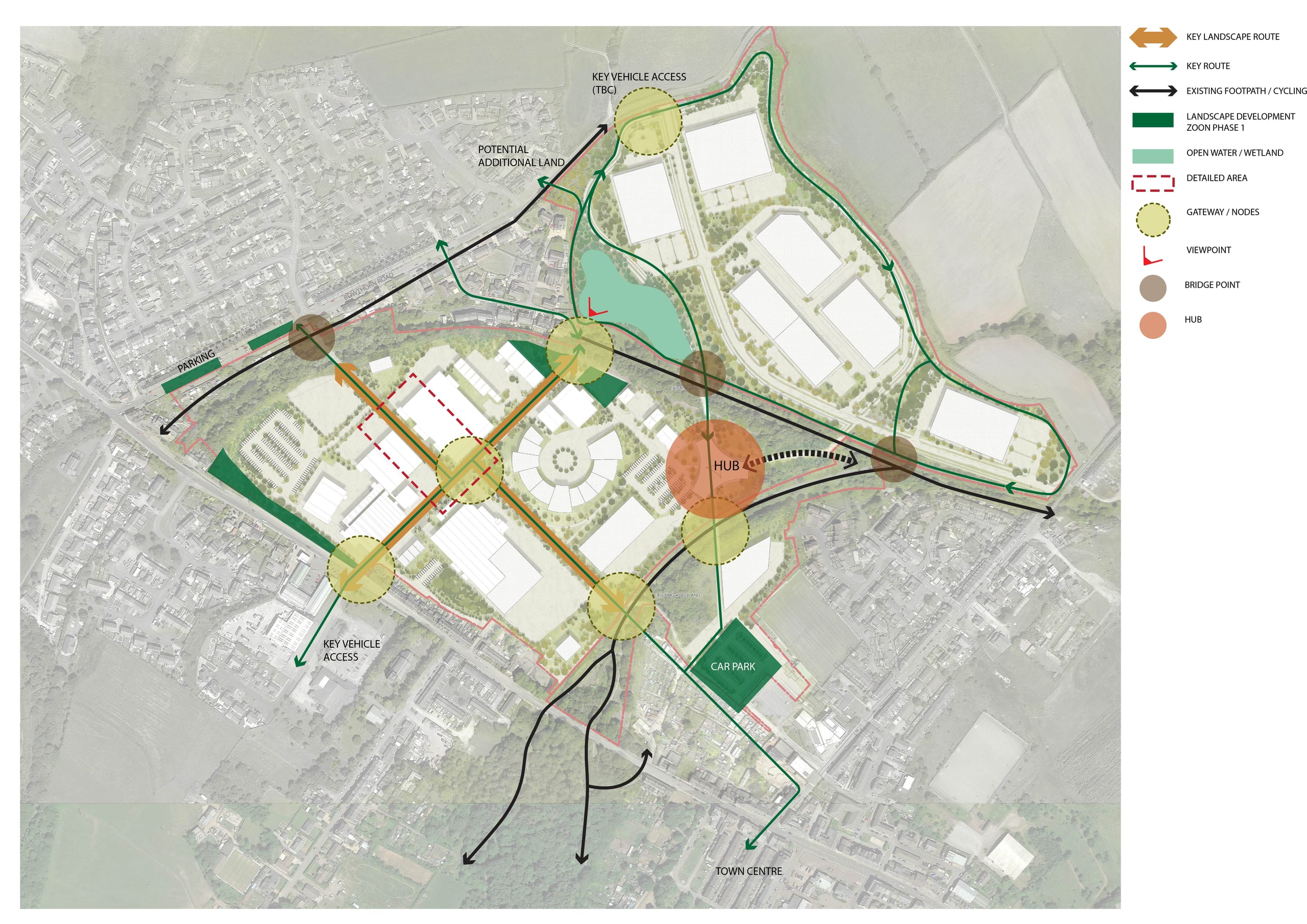
Around 5,000m² of existing concrete slab within Plots 9 and 12 is intended to be retained and reused rather than exported, with cut concrete incorporated into habitat areas and crushed material used within gabions.
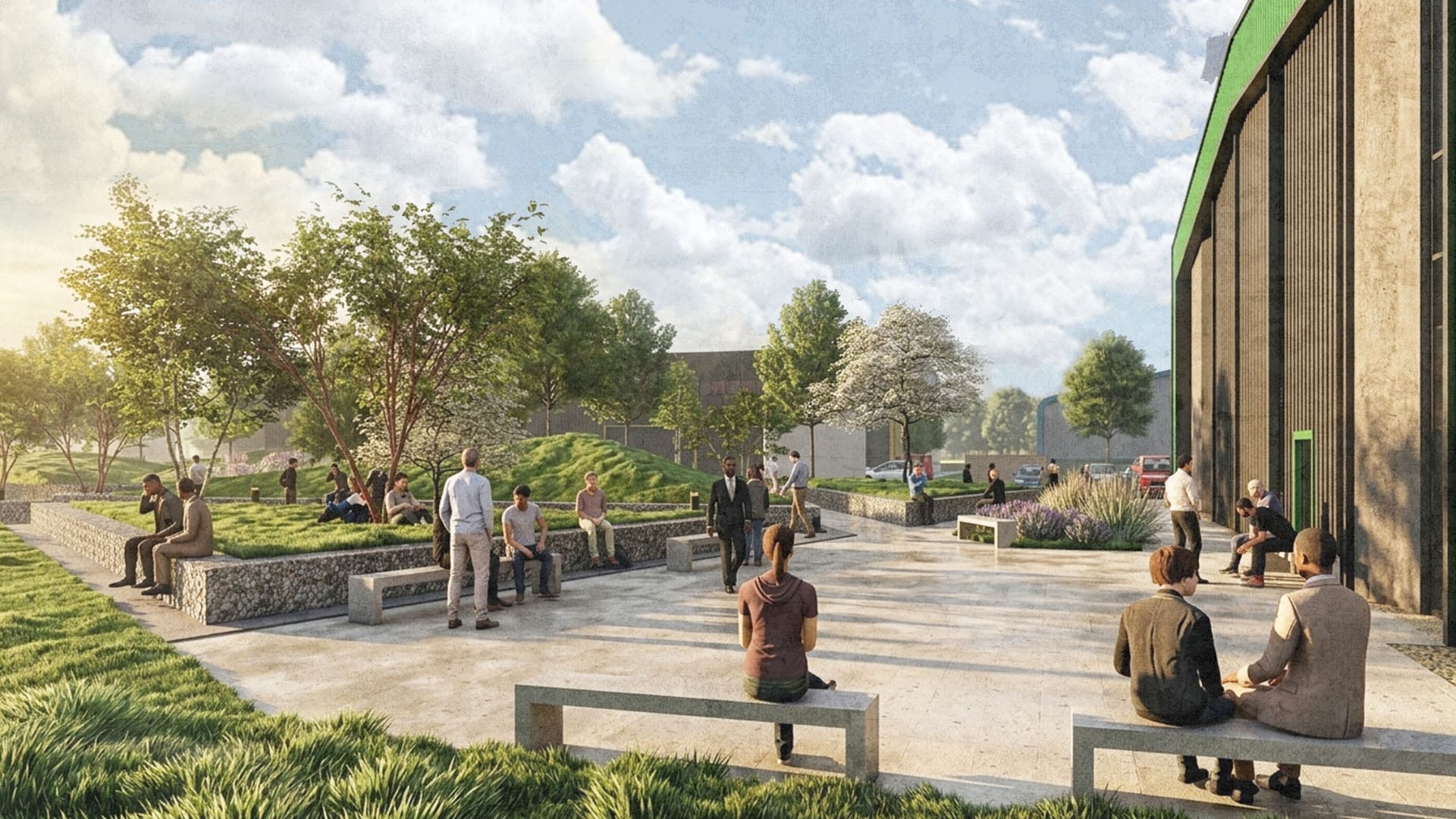
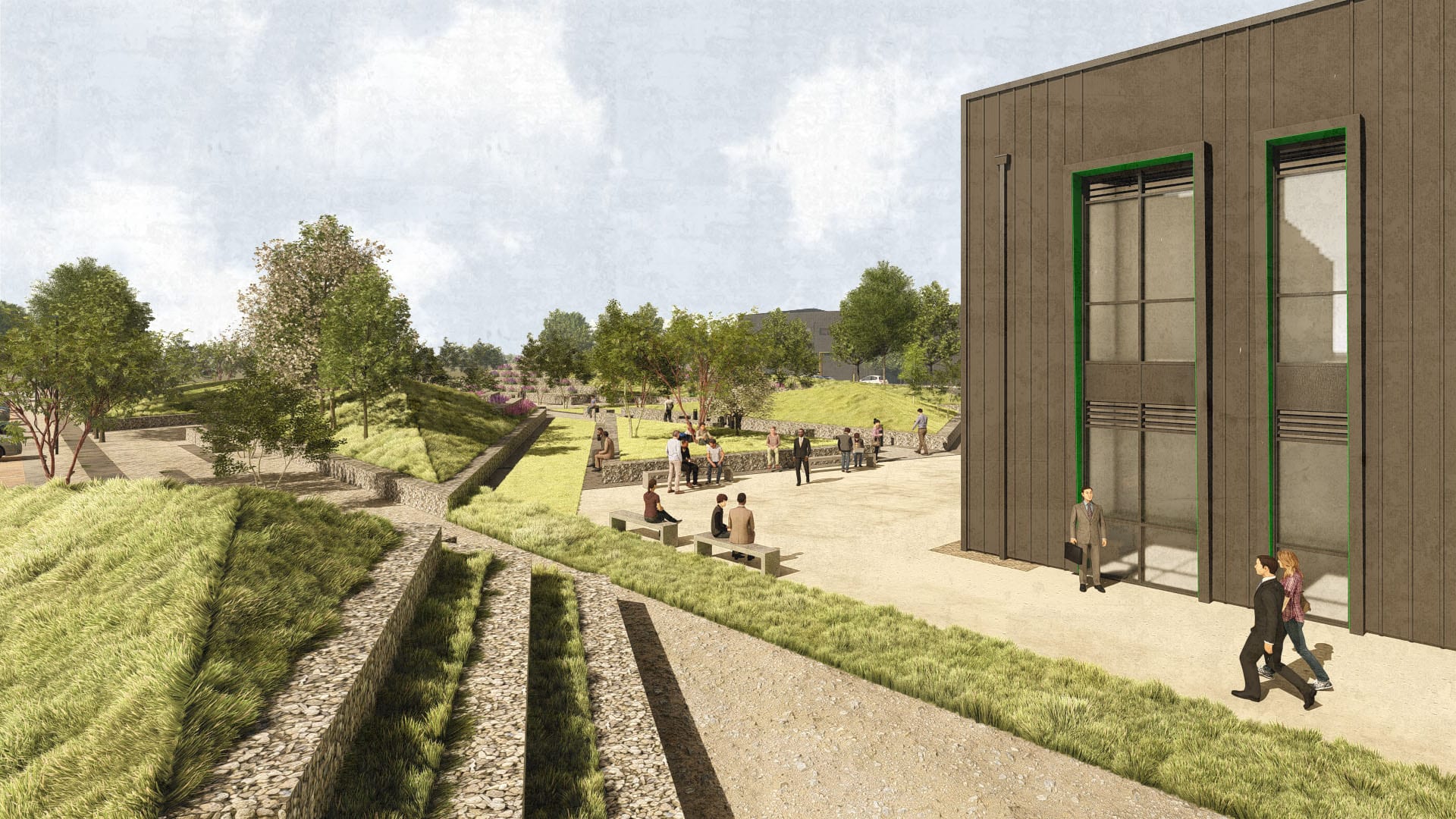 Proposed view
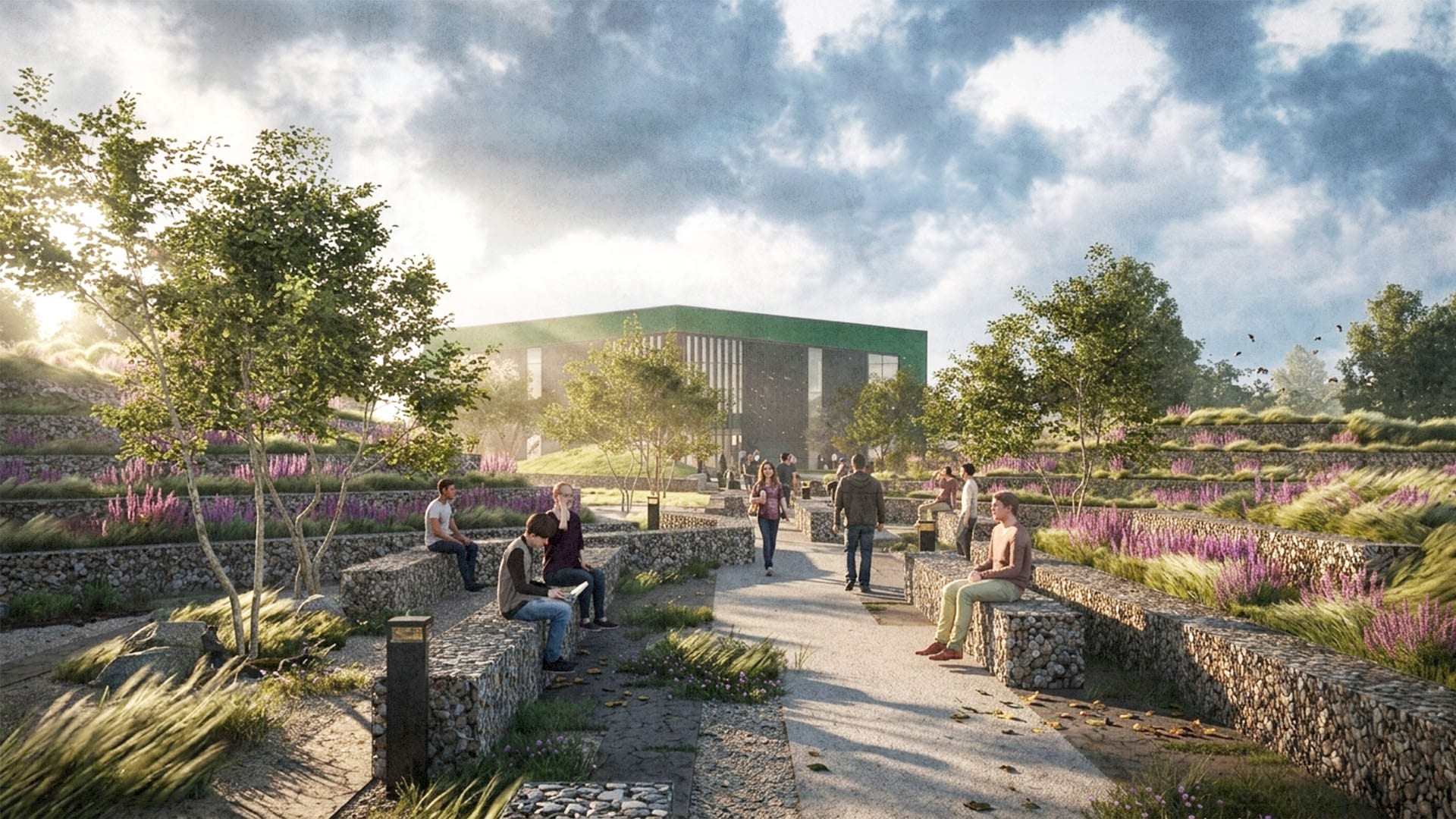
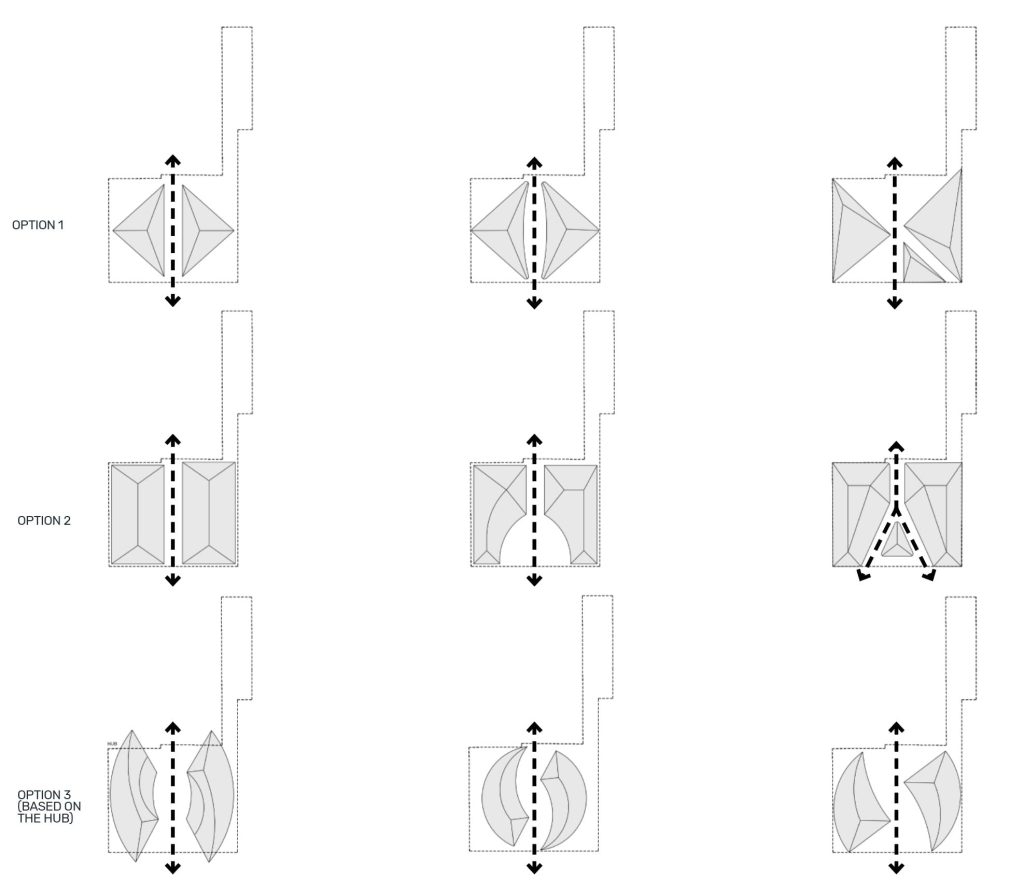
The design deliberately works with the site’s post-industrial character through angular landforms, habitat mosaics and robust planting.
Sculpted landforms reuse site arisings while creating south-facing slopes, sheltered niches, varied substrates and microclimates for open mosaic habitat. Clear ‘cues for care’ frame the more ecologically complex areas so that biodiversity reads as intentional public landscape. Long-term habitat management and monitoring are embedded through the HMMP.
 Proposed view
Outcome
The landscape framework for Cleator Moor Innovation Quarter creates a contemporary landscape rooted in West Cumbria and the history of the site. The strategy supports the target of at least 10% biodiversity net gain, retains valuable brownfield habitat principles, reduces waste through material reuse and creates a connected landscape for workers, visitors and the surrounding community. The project provides a replicable model for landscape-led regeneration of complex former industrial sites.
 Proposed view
Project Highlights
- Regeneration & Public Realm
- Landscape-Led Masterplanning
- Brownfield Ecology
- Open Mosaic Habitat
- 10%+ BNG Strategy
- Circular Material Reuse
- Long-Term Habitat Stewardship
More images
14 images in this project

Projects
similar one projects
 Riverside Sunderland – Regeneration Framework
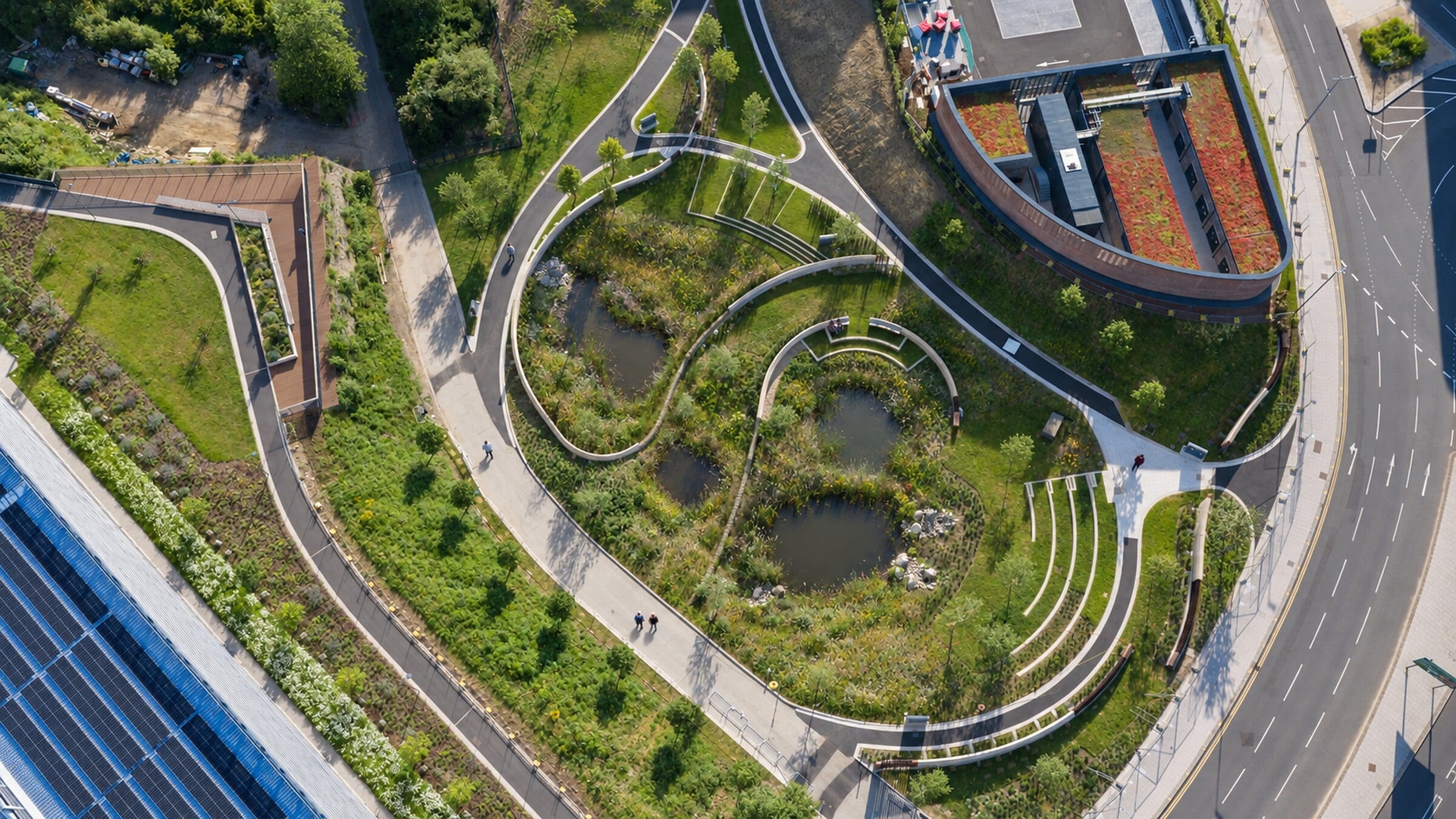
The opportunity at Riverside Sunderland was to establish a landscape framework capable of giving structure and identity to the city's riverfront over many years to come.
Riverside Sunderland – Regeneration Framework
The opportunity at Riverside Sunderland was to establish a landscape framework capable of giving structure and identity to the city's riverfront over many years to come.
 St Leonard’s Catholic School
St Leonard's required a major partial redevelopment after RAAC and wider condition issues made a significant proportion of the existing school accommodation unsafe.
St Leonard’s Catholic School
St Leonard's required a major partial redevelopment after RAAC and wider condition issues made a significant proportion of the existing school accommodation unsafe.