
- Location
- County Durham
- Sectors
- Healthcare
Healthcare landscapes must support people who may be anxious, unwell or unfamiliar with the site while also meeting the operational needs of a working clinical environment. At Shotley Bridge, the opportunity was to create an external setting where arrival, movement and landscape provide clarity and reassurance from the first approach.
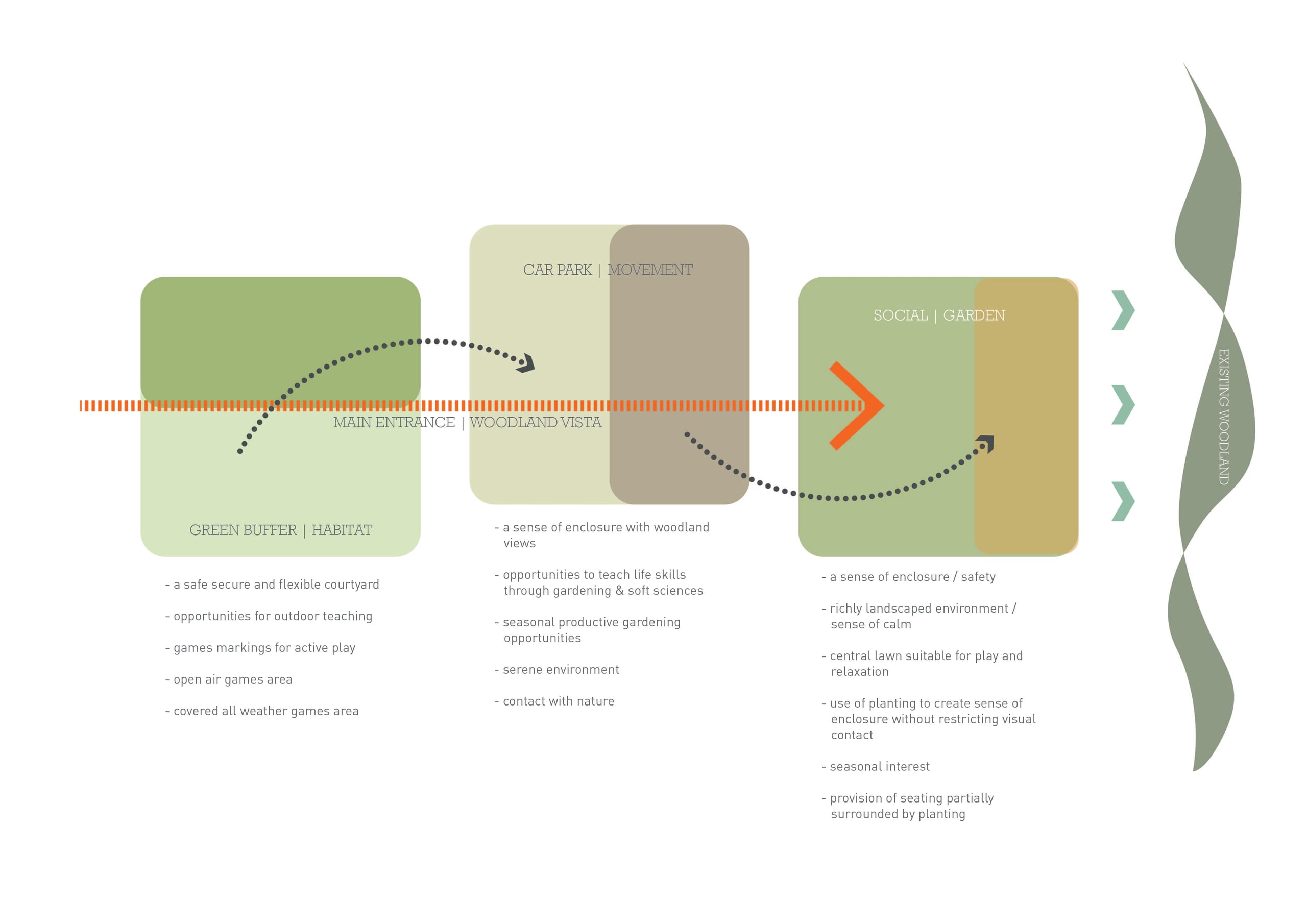
Working with clinical teams, architects and engineers, ONE mapped patient drop-off, staff movement and pedestrian routes to create a legible external environment. Pedestrian and vehicle movement are clearly organised without relying on unnecessary barriers.
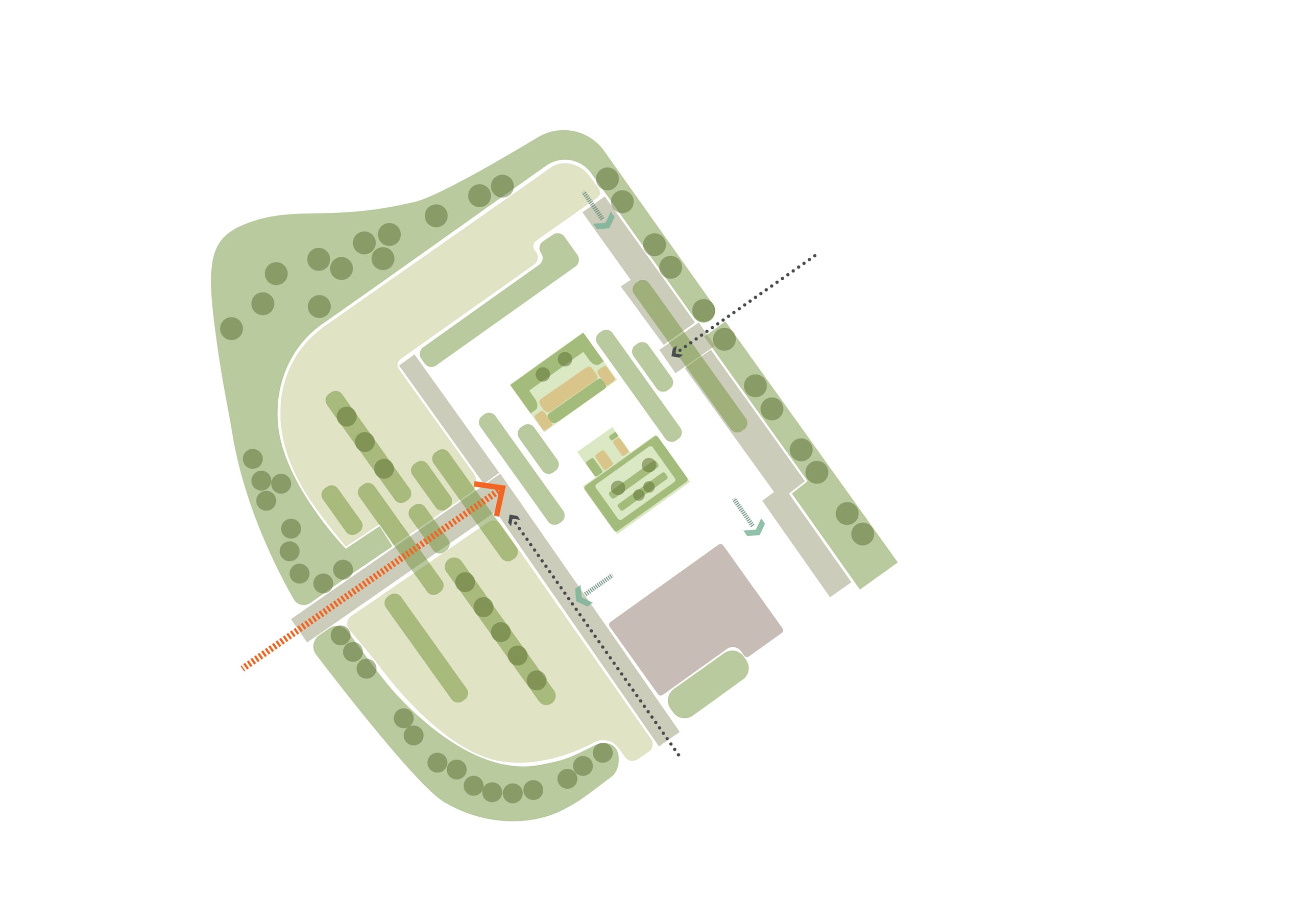
Planting softens parking and built edges, supports wayfinding and introduces seasonal and biodiversity value. Drainage and servicing are integrated within the green infrastructure so that operational requirements are resolved as part of the landscape rather than competing with it.
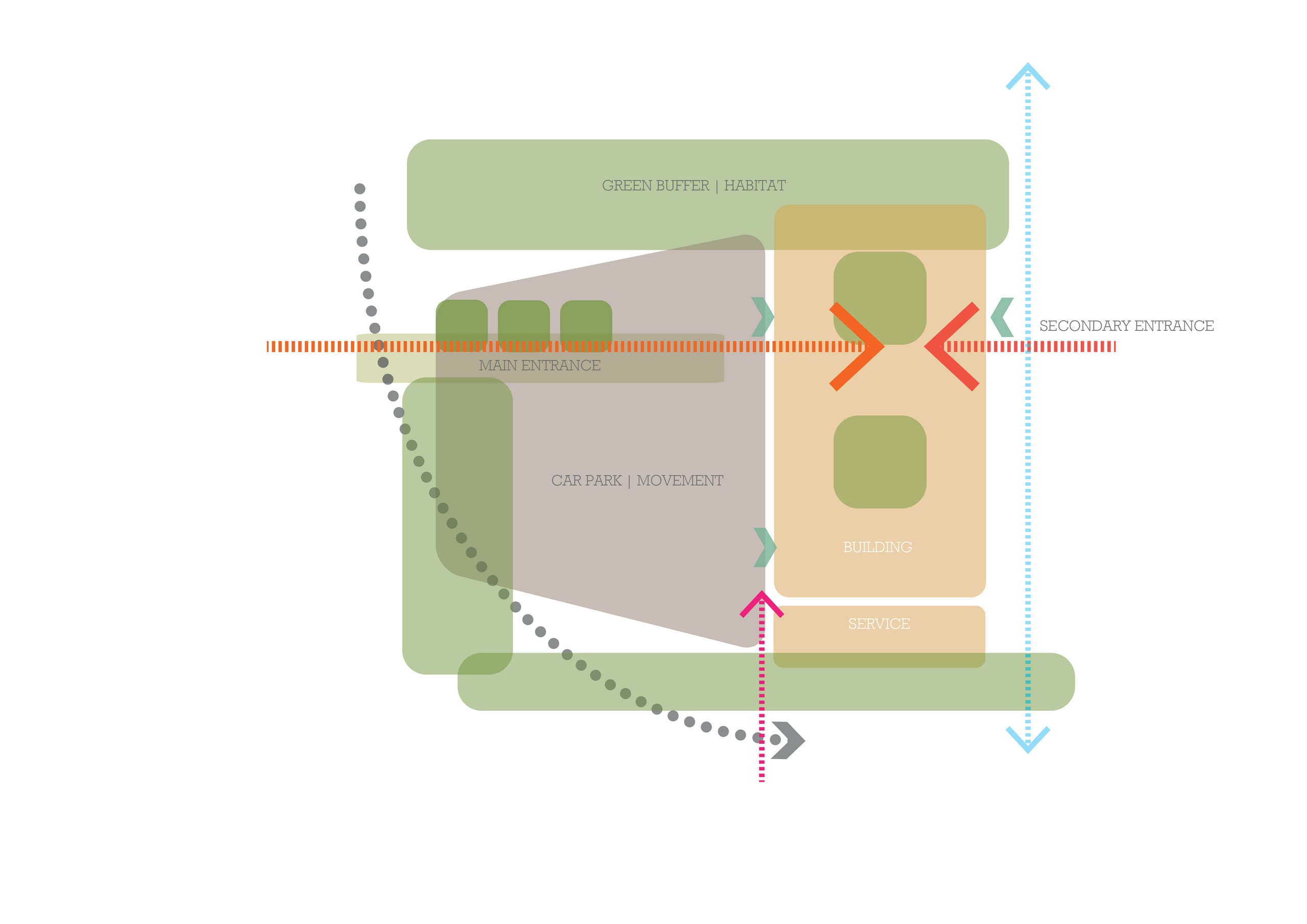
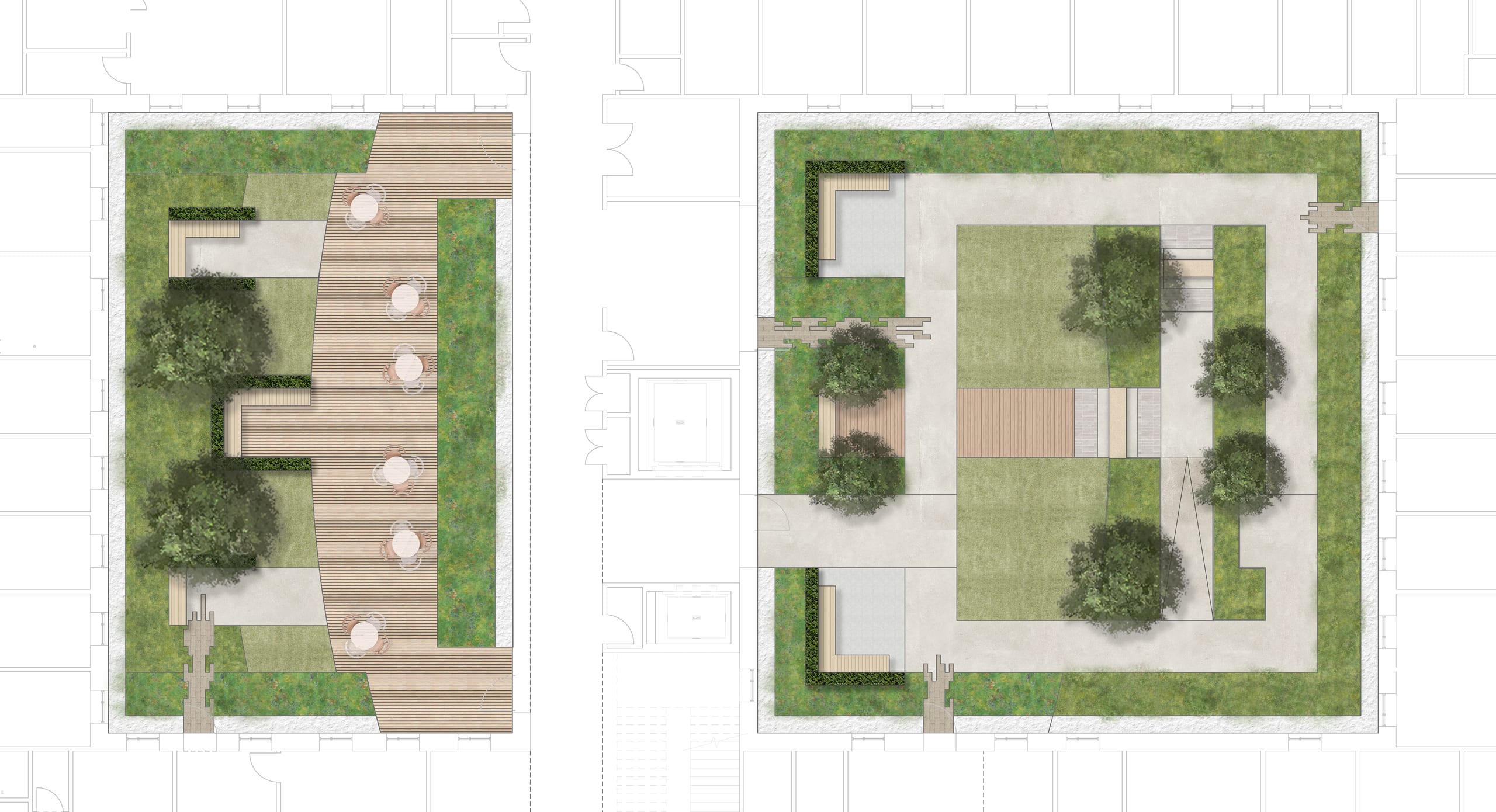
In healthcare, calm often comes from clarity. Landscape can reduce cognitive load through understandable routes, visible destinations, shade, planting and places to pause. These qualities are not separate from technical performance; they emerge when access, drainage, operations and human experience are designed together.
Outcome
The landscape provides an understated and considered setting for the hospital, supporting patient dignity, staff experience and long-term estate performance through clear movement, robust planting and integrated infrastructure.
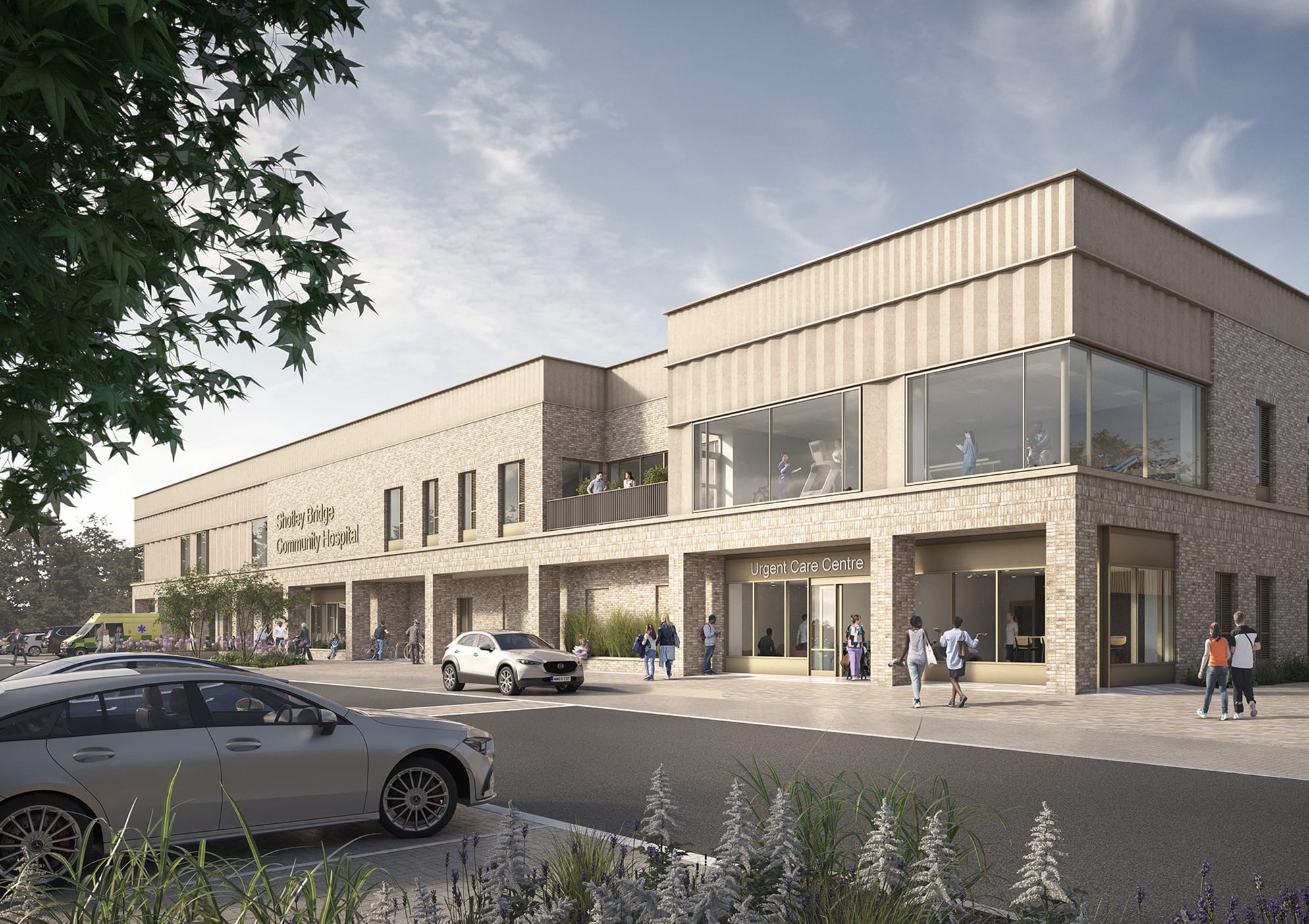 Image courtesy of Medical Architecture Proposed view
Project Highlights
- Healthcare
- Health & Wellbeing
- Arrival & Wayfinding
- Green Infrastructure
- Biodiversity
- Operational Coordination
- Accessible Landscape
Projects
similar one projects
 Durham University – Maths and Computer Science Building
The Mathematical Sciences and Computer Science Building required a landscape that could make a large new academic building feel connected to its campus setting…
Durham University – Maths and Computer Science Building
The Mathematical Sciences and Computer Science Building required a landscape that could make a large new academic building feel connected to its campus setting…
 Newcastle University – Stephenson Building
The 198,000 sq ft Stephenson Engineering Building transforms a 1950s engineering complex into a contemporary, low-carbon innovation hub.
Newcastle University – Stephenson Building
The 198,000 sq ft Stephenson Engineering Building transforms a 1950s engineering complex into a contemporary, low-carbon innovation hub.