- Location
- Elwick, Hartlepool, County Durham
- Sectors
- Energy & Infrastructure
High Barns Farm presented an opportunity to deliver a significant renewable-energy development comprising a 49.9MW solar farm and a co-located 25MW battery energy storage system across approximately 78 hectares of agricultural land.
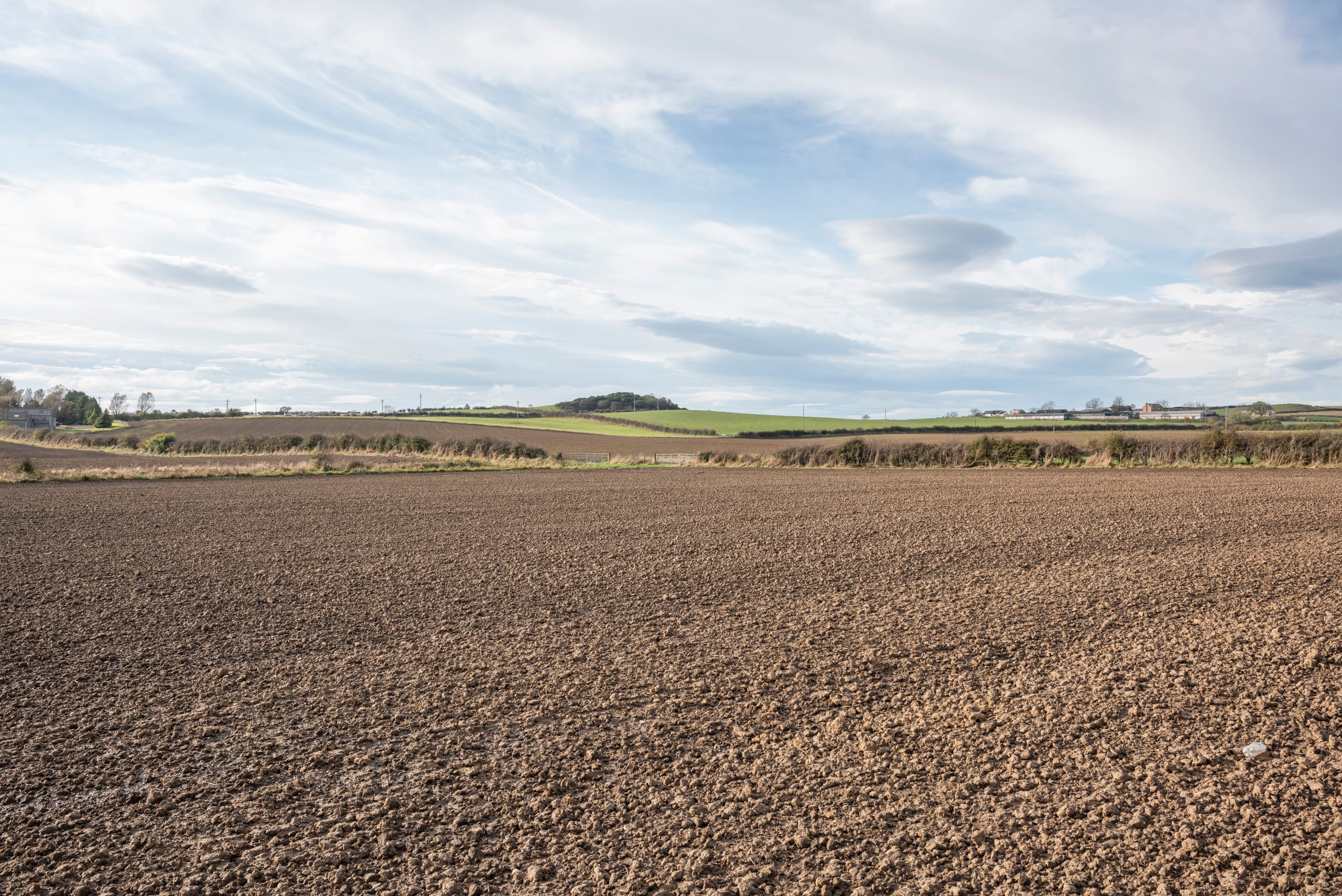
The site lies beside the A19 and the consented Elwick junction improvements, with nearby farms, the village of Elwick and a public right of way creating a varied set of visual receptors. The challenge was to integrate the development into this changing landscape while responding to potential glint and glare, cumulative solar development and the ecological requirements of the site.
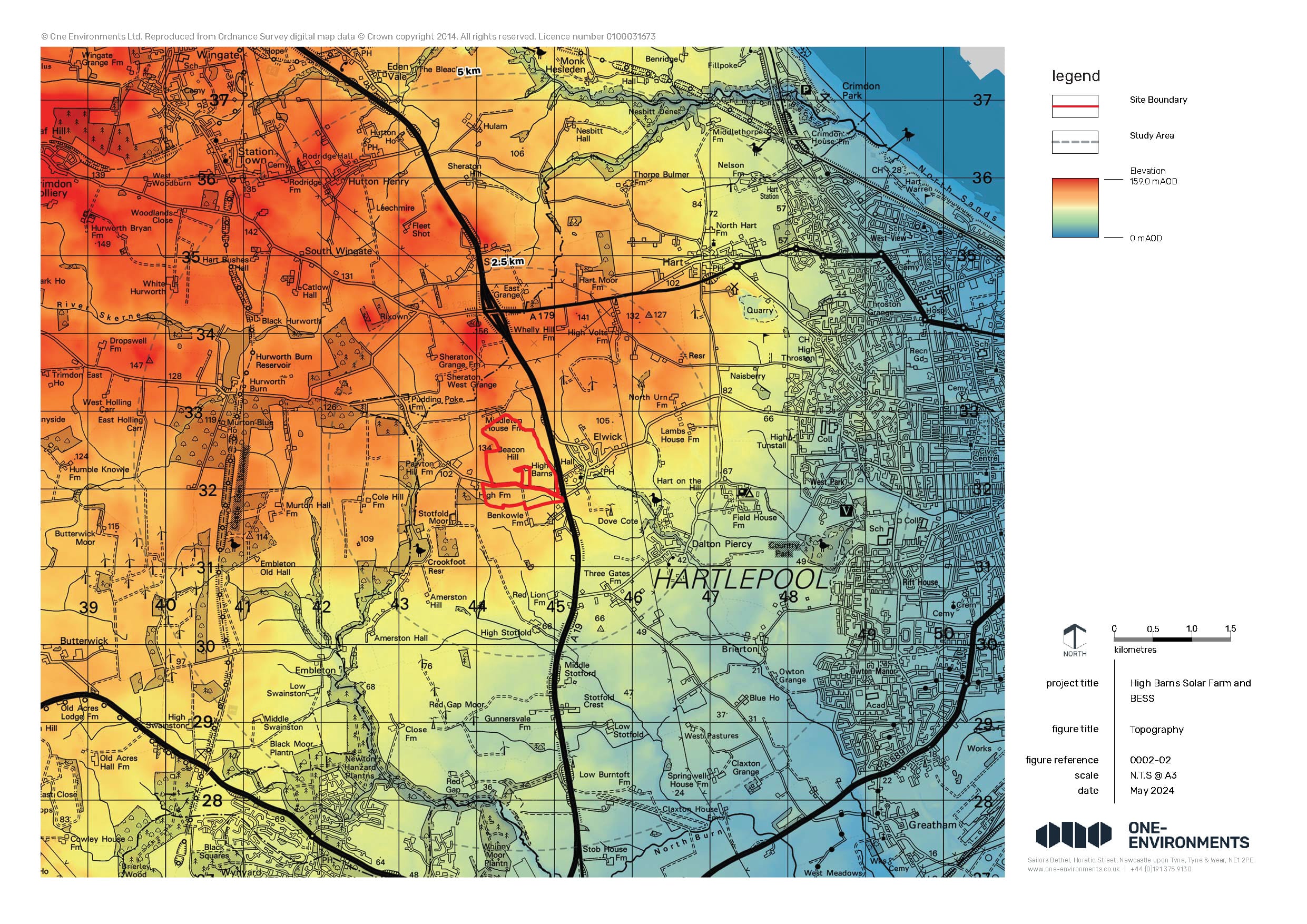
ONE was appointed by Enviromena to prepare the Landscape and Visual Impact Appraisal and develop the landscape strategy and detailed planting proposals.
The assessment combined planning policy and landscape-character review, field survey, Zone of Theoretical Visibility modelling, representative viewpoints, photomontages and cumulative assessment. This evidence informed an iterative design response that retained the established field structure, located taller infrastructure within a less prominent part of the site and responded to the consented A19 junction improvements.
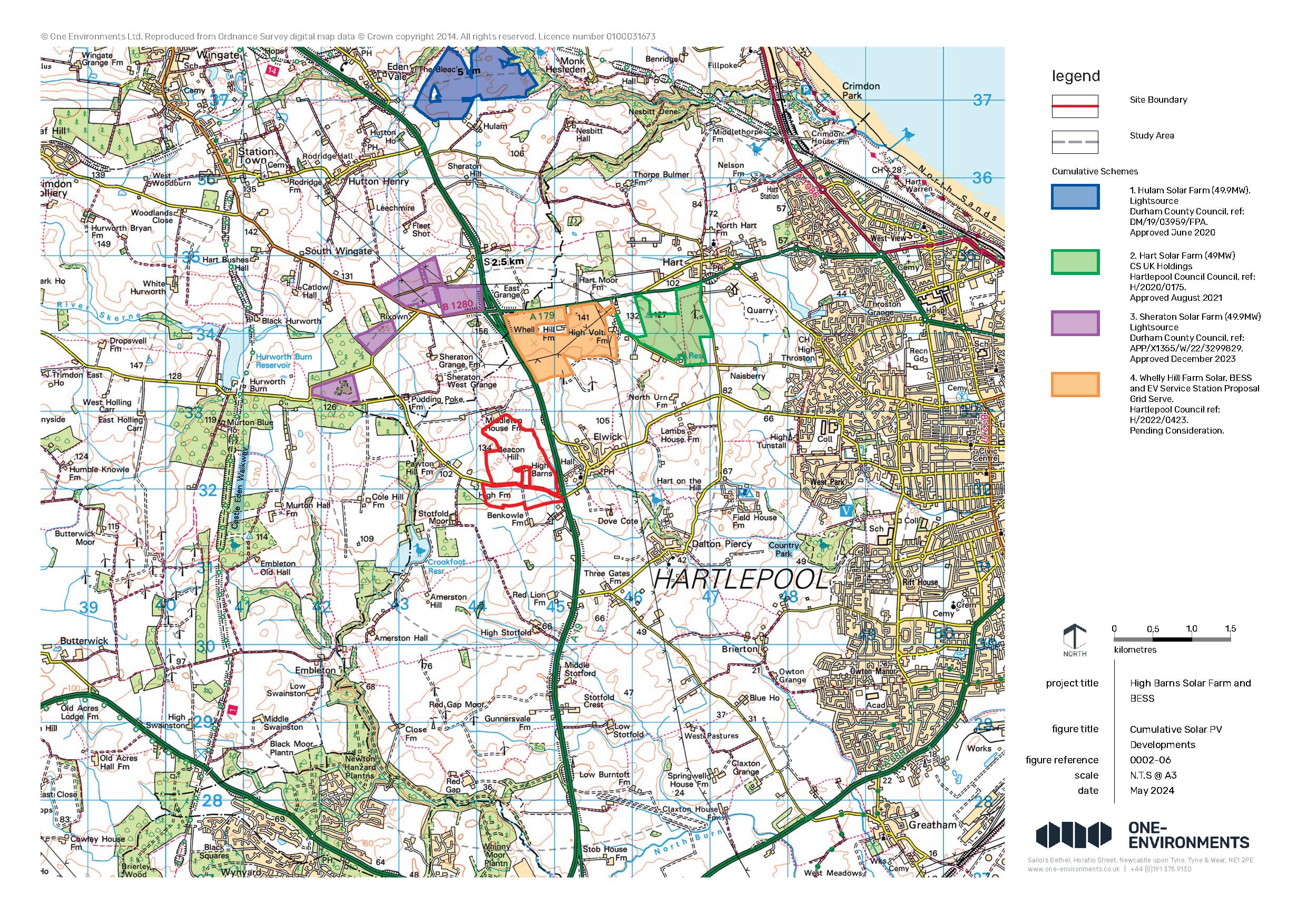
At High Barns Farm, this approach allowed the landscape proposals to respond to several objectives at once: visual integration, habitat creation, ecological mitigation and the experience of people using nearby roads and footpaths. Considering the development against both the existing landscape and the consented highway context was essential to presenting a realistic assessment of change.
Existing view
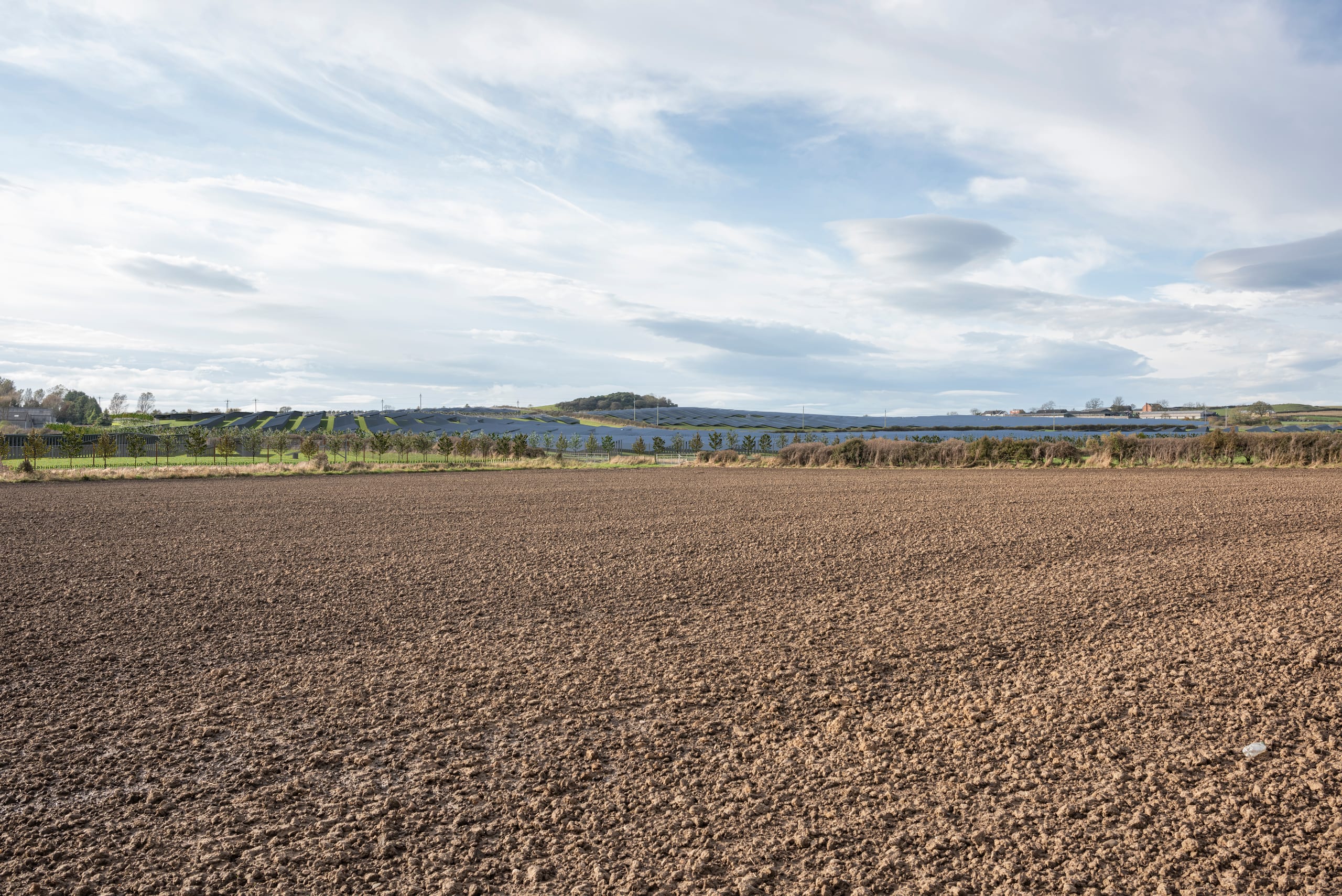 Proposed development
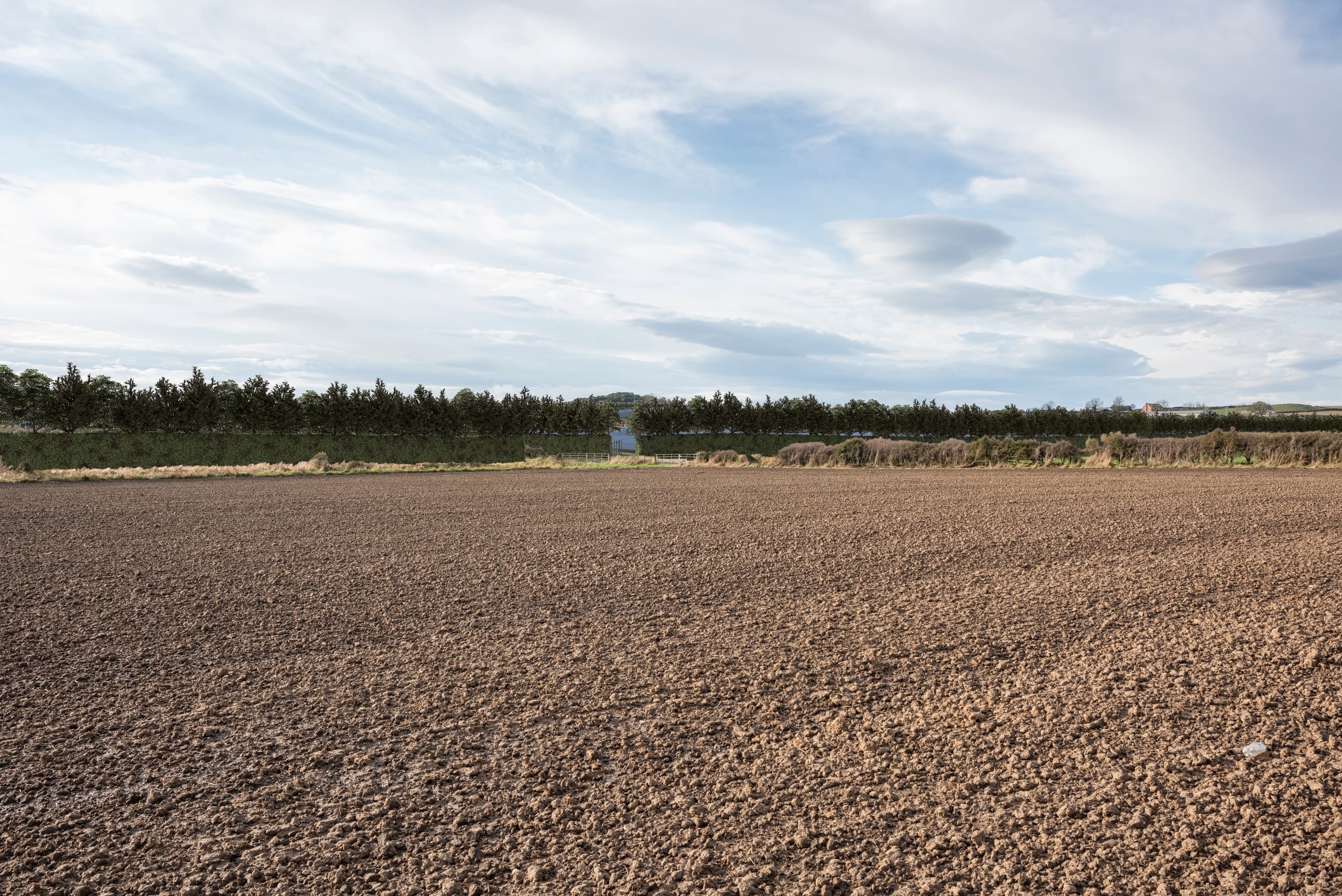 Proposed development with established planting
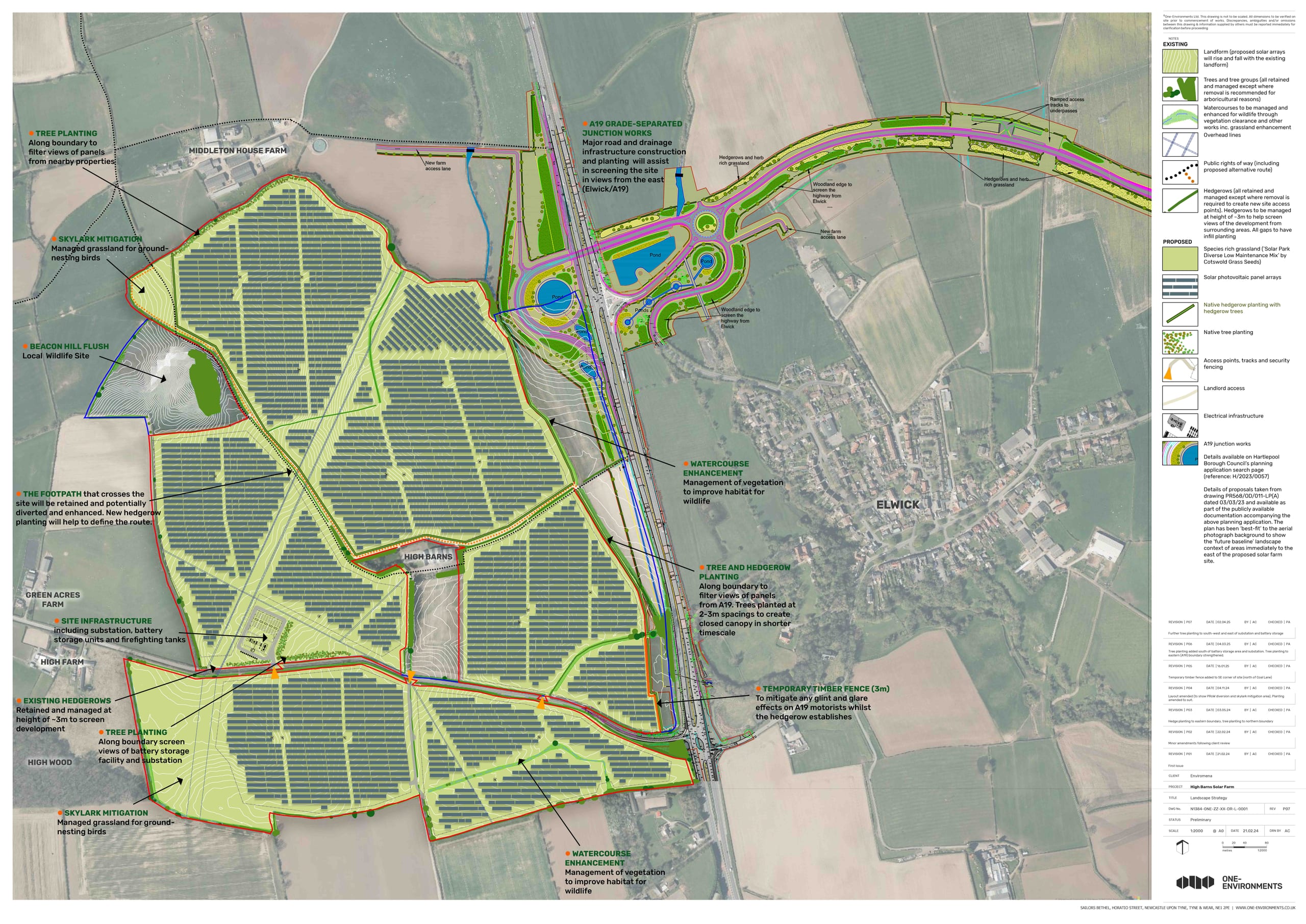
A comprehensive landscape framework of native hedgerows, trees, woodland and species-rich grassland was developed to filter views, reinforce existing boundaries and create connected habitats. The proposals were coordinated with dedicated skylark mitigation areas and the diversion of the public right of way.
For large solar developments, mitigation needs to do more than screen the infrastructure. Working with the landform, field pattern and existing vegetation allows the development to sit within a coherent landscape framework from the outset.
Outcome
The LVIA demonstrated that landscape and visual effects would be concentrated within the site and its immediate surroundings and would reduce as the proposed planting matured.
The landscape strategy supported a predicted Biodiversity Net Gain of 85.15% for habitat units and 15.31% for hedgerow units. Following consultation and refinement of the landscape and ecological proposals, planning permission was granted unanimously in 2025.
Project Highlights
- Energy & Infrastructure
- Landscape Planning & LVIA
- 49.9MW Solar Farm + 25MW Battery Energy Storage
- Approximately 78-hectare Site
- ZTV & Photomontages
- Landscape Strategy & Nature-Based Mitigation
- 85.15% Habitat Biodiversity Net Gain
- Planning Permission Granted 2025
Projects
similar one projects
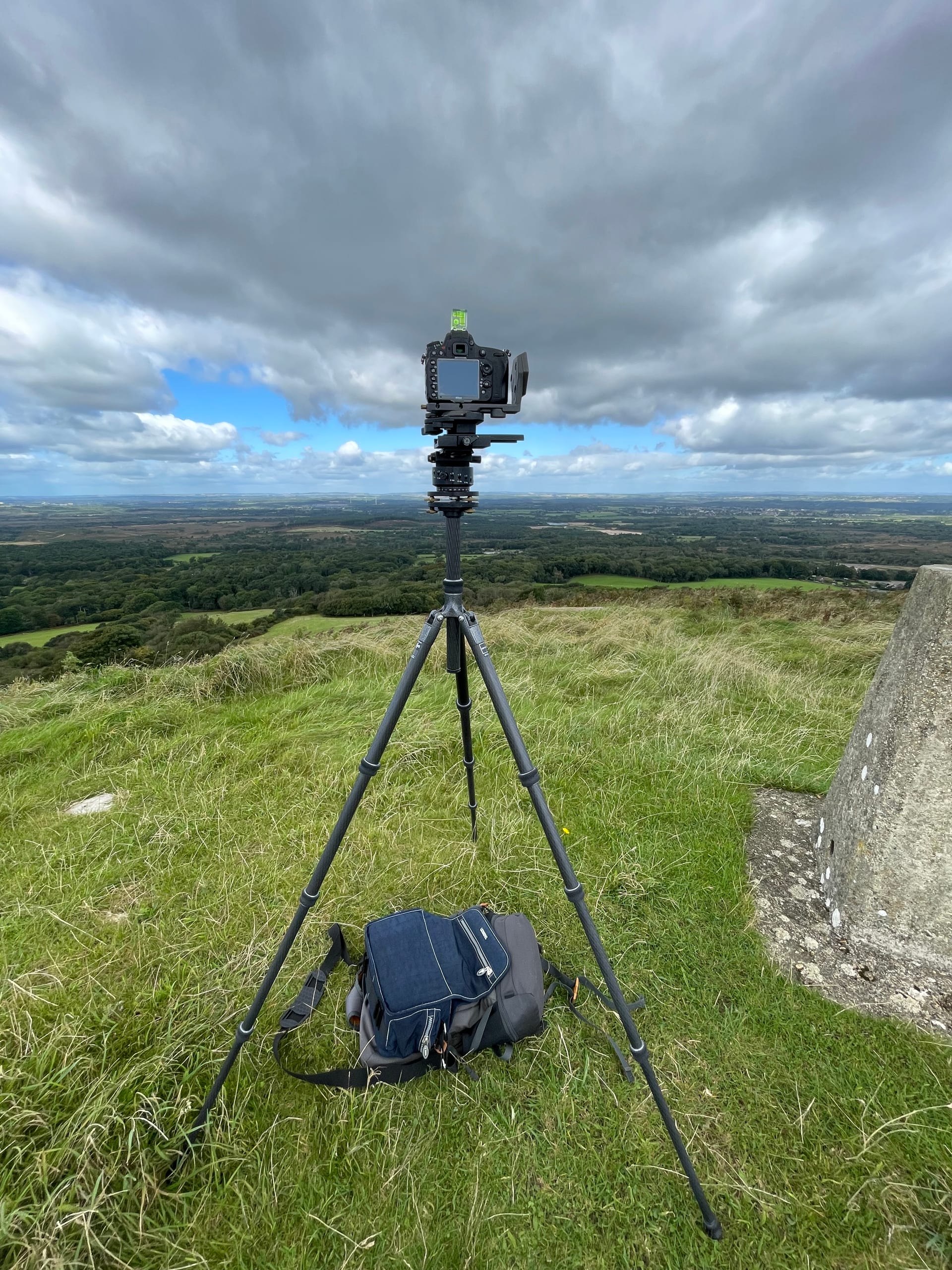 Rogershill Wind Turbine Repowering
Repowering the established wind-energy site at Rogershill Farm offered the opportunity to substantially increase renewable generation while reusing existing infrastructure.
Rogershill Wind Turbine Repowering
Repowering the established wind-energy site at Rogershill Farm offered the opportunity to substantially increase renewable generation while reusing existing infrastructure.
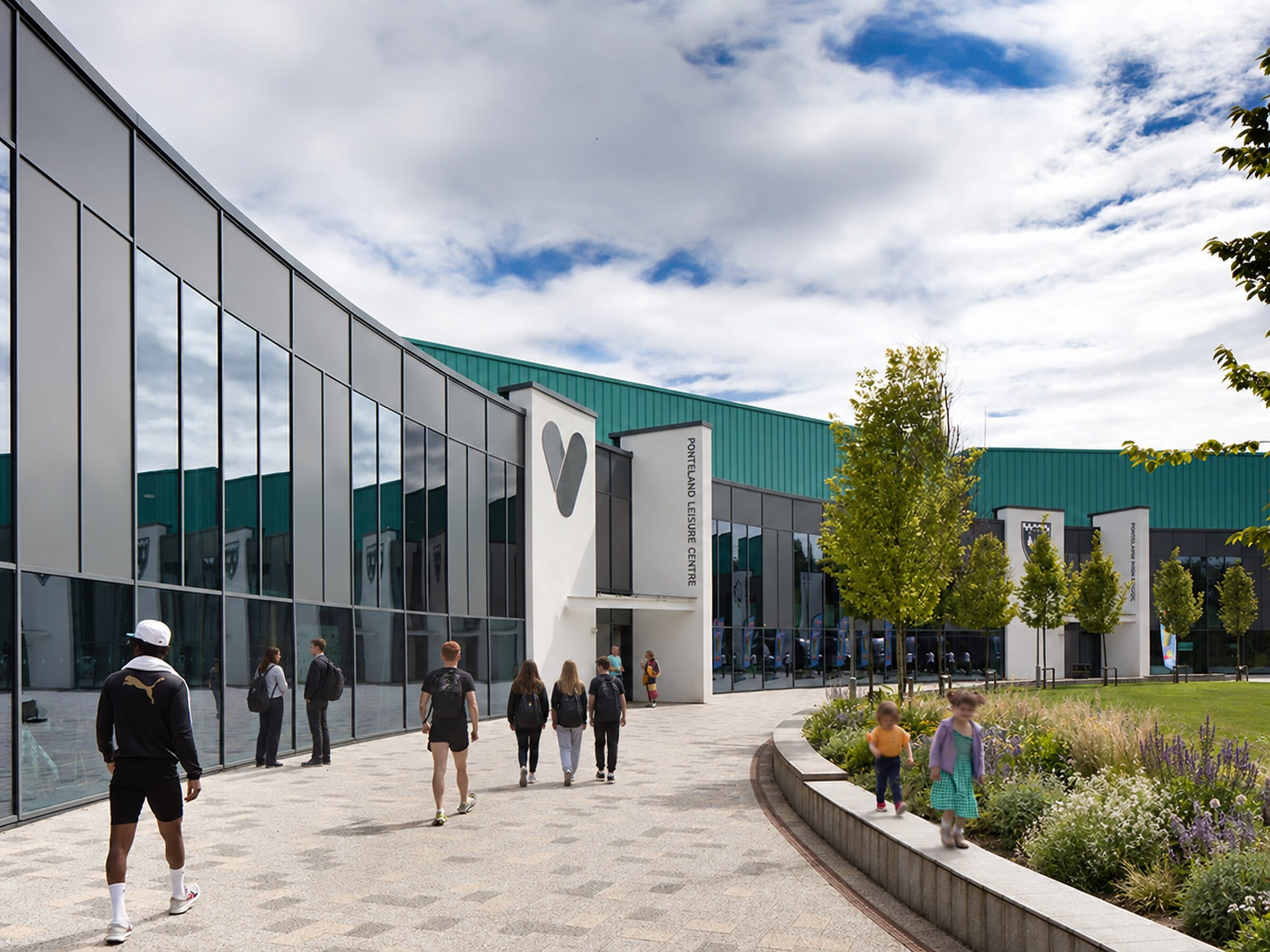 Ponteland Schools and Leisure Centre
Ponteland brings an all-through school, community leisure facilities and public use together within a rural-edge setting.
Ponteland Schools and Leisure Centre
Ponteland brings an all-through school, community leisure facilities and public use together within a rural-edge setting.